


OPD today
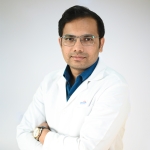
Dr Sundar Shewale
Consultant - Haematologist, Haemato Oncologist and Lead BMT Physician
MBBS · MD · DrNB · PDF · PDCC · FICH · FILH
OPD

Find a Doctor
Specialists across every department — see OPD days and book online.
Specialities
Every speciality, grouped by body system.
Heart & Vascular
Bone & Joint
Cancer & Blood
Kidney & Urology
Brain, Spine & Mind
Digestive & Liver
Eye, ENT & Dental
Robotic Surgery
Emergency & Critical Care
General & Advanced Surgery
Medical Specialities
Treatments & Surgeries
All-inclusive packages — from the first enquiry to care after discharge.
Health Check-ups
Preventive packages — all tests under one roof.
Heart & Diabetes
International Patients
24/7 personalised care for patients from Bangladesh, Nepal, Bhutan and the Middle East.
Desun More, 720, Eastern Metropolitan Bypass, Golpark, Sector I, Kasba, Kolkata, West Bengal 700107 · Directions
By Category
No speciality matches “”.
Not sure which speciality? Call 90 5171 5171 — our team will guide you.
Specialists across every department — see OPD days and book online.
Popular Specialities
All-inclusive packages — from the first enquiry to care after discharge.
Surgery Packages by Speciality
Preventive packages — all tests under one roof.
Full Body
Heart & Diabetes
Organ Checks
24/7 personalised care for patients from Bangladesh, Nepal, Bhutan and the Middle East.
Visiting & Admission
Insurance & Programmes
24×7 Services
Questions about admission, insurance or billing? Call 90 5171 5171 — we are here 24×7.
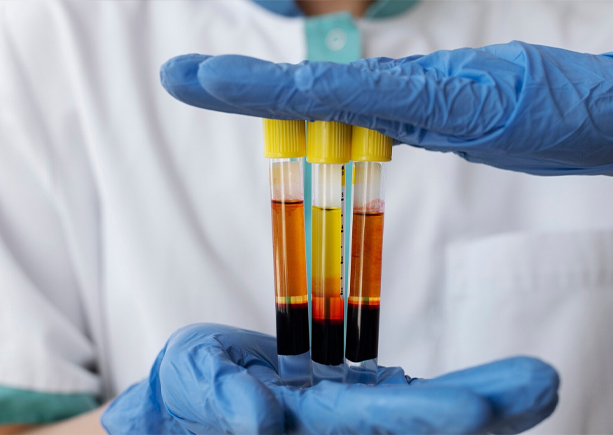
DESUN’s haematologists work closely with colleagues in medical and radiation oncology, transplantation and other specialties in the care of their patients.
Our state-of-the-art hematology laboratory is equipped with advanced diagnostic tools for accurate blood disorder detection and monitoring. The department specializes in treating various blood disorders, from common conditions like anemia and clotting disorders to complex cases of leukemia and lymphoma.
The department also provides personalized treatment plans that include innovative therapies and targeted treatments
This speciality involves managing blood diseases using the following tools:
Updated
Common reasons people come to us — what to watch for, and how Desun’s team treats it.
See a doctor ifTiredness, breathlessness or pale skin, or low haemoglobin.
How we treat itTests to find the cause and treatment, including transfusion when needed.
See a SpecialistSee a doctor ifUnexplained fever, weight loss, swollen glands or easy bruising.
How we treat itDiagnosis and treatment of leukaemia, lymphoma and myeloma; bone marrow transplant.
See a SpecialistSee a doctor ifEasy bruising, heavy bleeding, or repeated blood clots.
How we treat itClotting tests and specialist treatment.
See a SpecialistSee a doctor ifA family history, or anaemia since childhood.
How we treat itRegular transfusions, iron removal and transplant options.
See a SpecialistAt Desun Cancer Institute every speciality works as one team. Here is where Haematology comes in.
PET-CT, SPECT-CT, mammography and biopsy show where the cancer is and how far it has spread.
Your surgical, medical and radiation oncologists agree one personalised treatment plan — under one roof.
Surgery, chemotherapy, immunotherapy, targeted therapy, radiotherapy or bone marrow transplant — alone or combined.
Pain and symptom care alongside treatment, so you feel as well as possible.
Regular check-ups, scans and blood tests to watch for recurrence and manage late side effects.
Desun Hospital's Haematology team consists of Kolkata’s top Haematologists, known for their expertise in advanced blood care.
Consultant - Haematologist, Haemato Oncologist and Lead BMT Physician
MBBS · MD · DrNB · PDF · PDCC · FICH · FILH
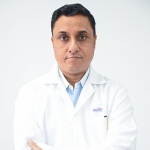
Consultant – Clinical Haematologist
MBBS · MD (Pathology) · DM (Clinical Haematology)
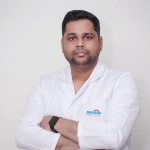
Consultant – Haemato-Oncologist & Bone Marrow Transplant Physician
MBBS · MD · DM ( Clinical Hematology)
No OPD on Sunday. Pick another day, or call us for emergency care — open 24 × 7.
Timings can change on holidays — our team confirms your slot when you book.
Desun Hospital offers advanced Haematology Surgeries and procedures with highly experienced doctors in Kolkata.
At the Haematology department in Desun Hospital, patients have access to treatments and surgeries carried out for almost all the types of blood diseases from Enlarged lymph nodes or spleen to Bleeding and clotting disorders, handled by experienced Haematologist in Kolkata.
Affect the body’s ability to regulate blood flow, causing excessive bleeding or clot formation.
Indicate infection, inflammation, or underlying health conditions requiring medical evaluation.
These are cancers affecting blood, bone marrow, or lymphatic system, requiring specialized treatment.
Increase clotting risks, leading to abnormal blood clot formation and complications.
Occurs when the immune system attacks blood cells, causing low counts of platelets, red, or white cells.
A blood cancer characterized by abnormal white blood cell production and rapid growth.
Involve the abnormal growth of lymphocytes, leading to various types of lymphatic cancers.
Involve abnormal protein production without clear signs of cancer.
Disorders caused by ineffective blood cell production, leading to anemia and infections.
A rare bone marrow disorder causing fibrosis and abnormal blood cell production.
A cancer of plasma cells in the bone marrow, affecting blood cell production.
A group of rare disorders caused by enzyme deficiencies, affecting heme production and metabolism.
A rare disease where abnormal proteins accumulate, affecting organs and causing dysfunction.
A condition characterized by abnormally low platelet count, leading to excessive bleeding or bruising.
A condition where there is insufficient red blood cells, causing fatigue and weakness.
No procedure matches your search. Call us on +91 90 5171 5171 — our team will guide you.
Pick a procedure to see the usual hospital stay and check whether your insurance is accepted. Our team then calls you with an estimate based on your reports.
From the first call to your follow-up visit — no surprises.
Our team confirms the date, the tests you need and the paperwork for cashless approval.
The admission desk and a nurse settle you in; your reports are checked.
Your specialist explains the plan and takes your consent; your family gets updates.
Close monitoring in the ICU or ward until you are stable.
Discharge with a written plan, medicines and the warning signs to watch for.
An OPD review with your doctor — book it before you leave.
From patients and doctors of Desun’s Haematology team.
Can Bone Marrow Transplant cure Thalessaemia?
BMT

Dr. Arijit Bishnu- Common myths and facts about blood donation

Dr Arijit Bishnu – Haemato – Oncology – Role of Bone Marrow Transplant in…
Patient Testimonial
Patient Testimonial

Patient Testimonial
Blood Donation – Myths & Facts
Relapse in Blood Cancer
Can Sickle Cell disease affect both children and adults?
Real cases treated by Desun’s Haematology team.
 Case Study
Patient Background and Presentation A 28-year-old man from Malda arrived at Desun Hospital with persistent fatigue, recurrent infections, and unexplained bruising. His…
 Case Study
Initial Presentation and Diagnosis A 10-year-old boy from Malda arrived at Desun Cancer Institute with persistent fever, weight loss, and swelling of…
Health tips, events and news from Desun’s Haematology team.
 Health Blog
High blood pressure is Systolic / Diastolic blood pressure level above 140/90 or more; usual blood pressure range is 110/70 to 120/80.…
 Health Blog
Blood in urine or traces of blood in urine must never be ignored. This is medically known as Haematuria, and it can…
 Health Blog
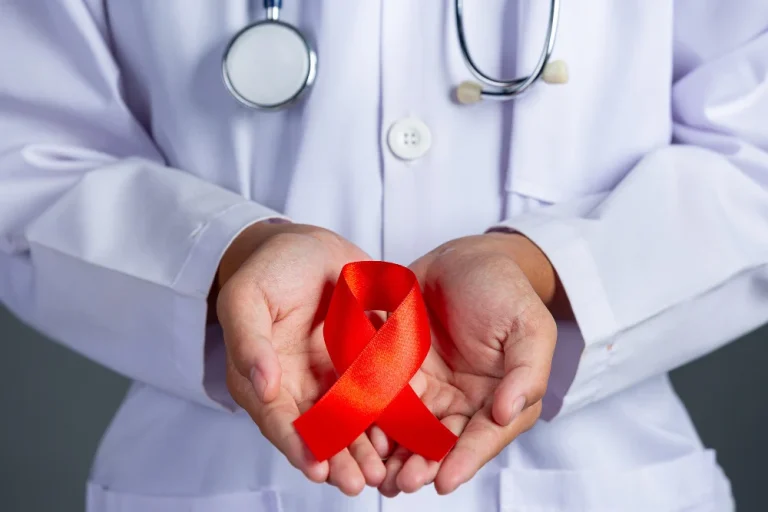
Blood cancers such as leukaemia, lymphoma and multiple myeloma can be life-altering diagnoses for patients and families alike. However, advances in medical…
 Event
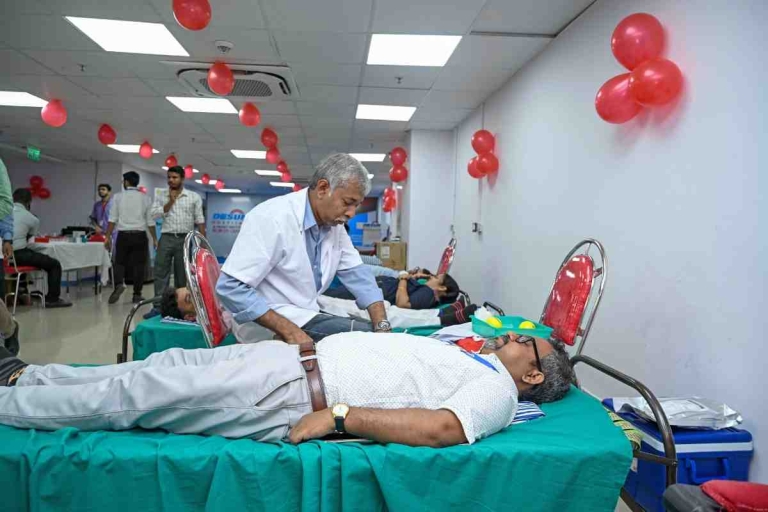
Because every drop of blood can mean a second chance at life, Desun Hospital & Heart Institute takes a step further. The…
 Event
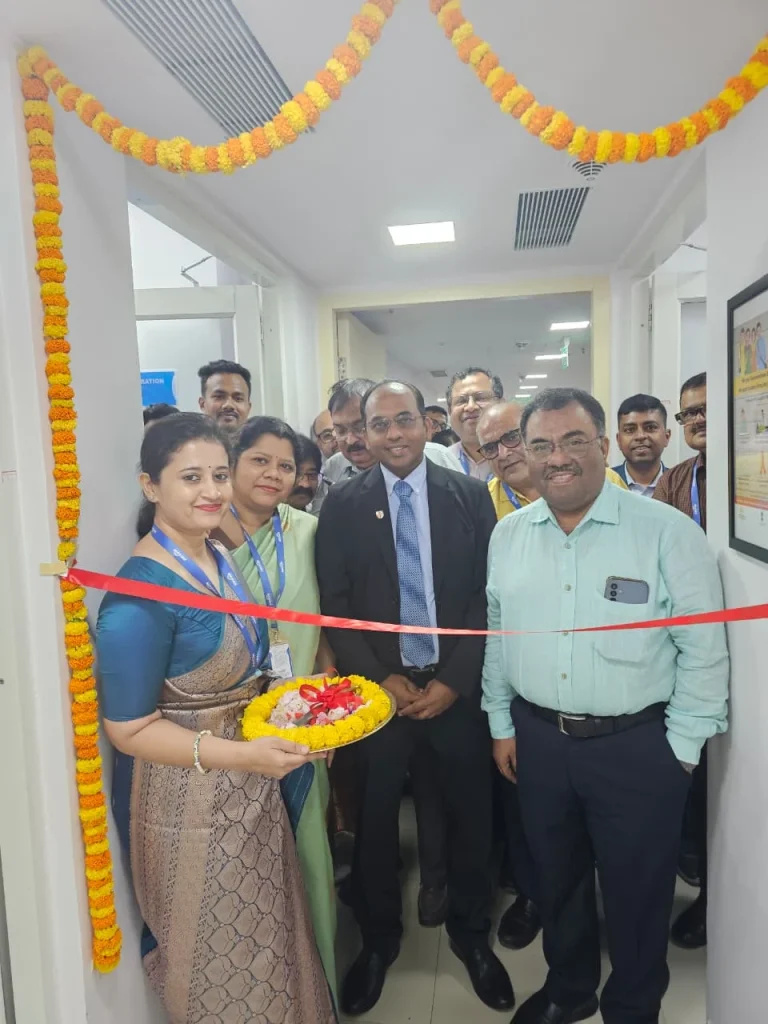
A new step towards saving lives begins with the launch of Desun Hospital & Heart Institute Blood Centre , bringing greater assurance…
 Health Blog
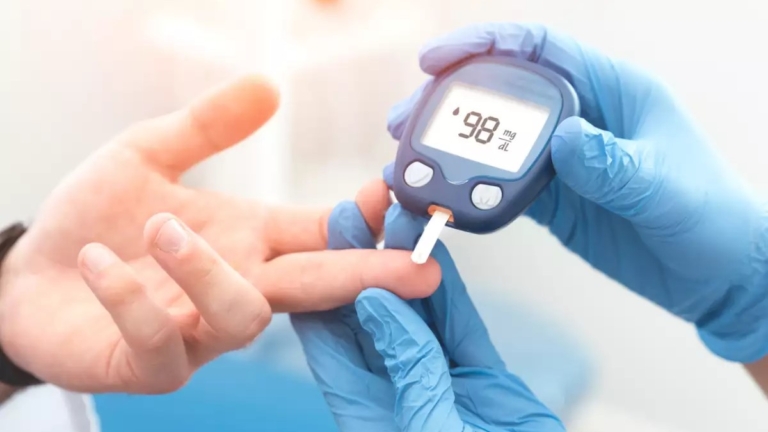
Diabetes and Blood group There are 4 major blood groups which are determined by the presence or absence of 2 antigensA and…
 Health Blog
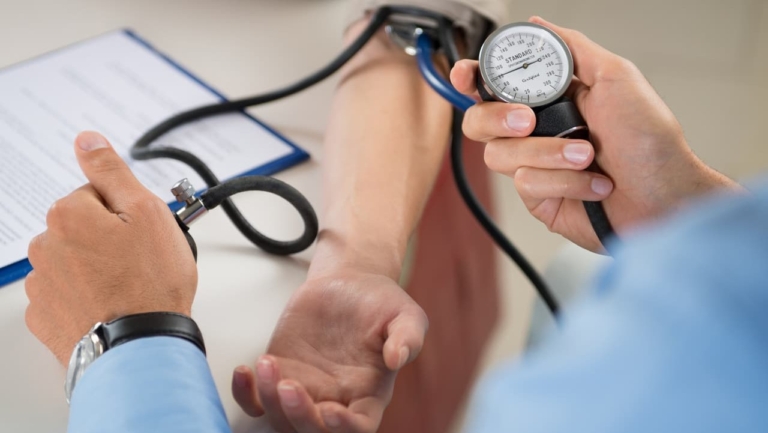
What is blood pressure (BP)? BP is the measure of the pressure of blood thrusting against the walls of the blood vessels.…
 Health Blog
High Blood Pressure is very common nowadays and in today’s fast life with much stress and consumption of junk food blood pressure…
 Health Blog
Blood pressure can be a great impediment in leading a normal easy active life. Controlling blood pressure though intervention of food along…
Answers from our haematology team.
Common symptoms include:
Diagnosis typically involves:
Treatment may include:
The main blood cancers treated include:
Plasma exchange (plasmapheresis) is a procedure that removes harmful substances from the blood, such as antibodies or toxins. It is used to treat conditions like autoimmune diseases or certain blood cancers.
Yes, some blood disorders like sickle cell anemia, hemophilia, and thalassemia are inherited. If you have a family history of these conditions, genetic counseling and testing may be recommended.
Iron is essential for producing hemoglobin, a protein in red blood cells that carries oxygen. Low iron levels can lead to iron deficiency anemia, causing fatigue and weakness.
Thalassemia is an inherited blood disorder where the body produces abnormal hemoglobin, leading to anemia. Treatment may include regular blood transfusions, iron chelation therapy, and bone marrow transplant in severe cases.
Bone marrow transplantation (or stem cell transplantation) is a procedure to replace damaged or diseased bone marrow with healthy cells. It is used to treat blood cancers, severe anemia, and other marrow disorders.
A blood transfusion is a procedure where you receive blood through an IV to replace lost components. It’s needed for severe anemia, blood loss during surgery, or certain medical conditions like sickle cell anemia.
Common tests include:
The Hematology Department specializes in diagnosing and treating disorders of the blood, bone marrow, and lymphatic system. Common conditions include anemia, blood clotting disorders, leukemia, lymphoma, and other blood-related diseases.
Free Desun Account
Just your name and mobile number. We send a one-time code — no password to remember. Your results are private and never shared.
Check Your SMS
Sent to .

