Blood in Urine – Haematuria or Something More Serious
August 31, 2026
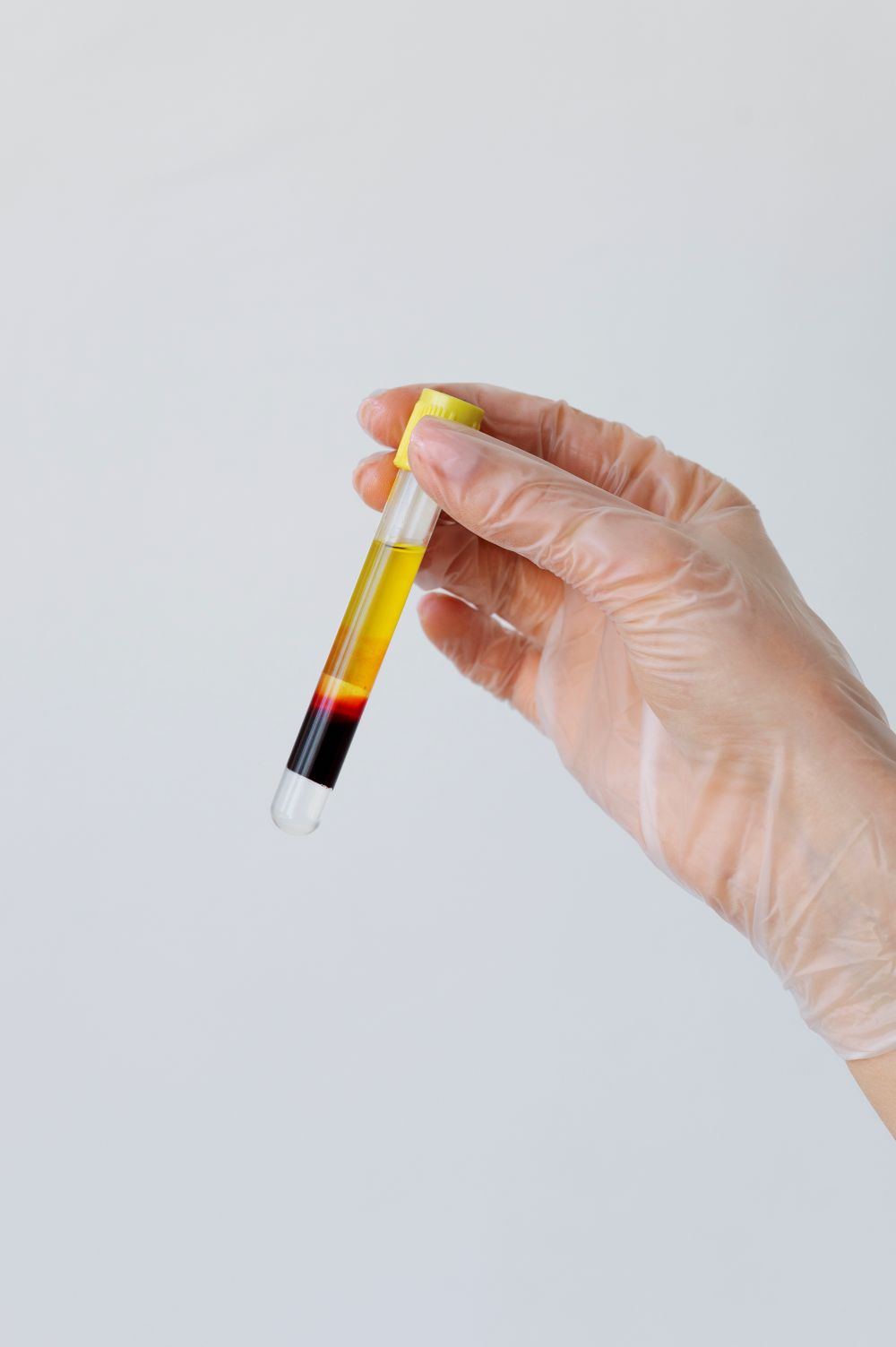
Blood in urine or traces of blood in urine must never be ignored. This is medically known as Haematuria, and it can be caused by benign or health conditions that can be treated early to avoid complications. This can also be the early symptom of some serious health condition that needs urgent or emergency medical care.
- Gross Haematuria: Blood that is visible in normal view, turning urine pink, red, or cola-coloured.
- Microscopic Hematuria: Blood that is invisible to the eye and only detected during a laboratory urine test.
Common vs. Serious Causes
The causes of haematuria generally span across urological (structural/surgical) and nephrological (kidney filter) categories.
Common and Typically Benign Causes
- Urinary Tract Infections (UTIs): Bacterial infection causing bladder or urethral inflammation.
- Kidney or Bladder Stones: These stone or hard mineral deposits scratch the lining of the tract.
- Benign Prostatic Hyperplasia (BPH): Non-cancerous enlargement of the prostate gland in aging men.
- Strenuous Exercise: This is caused by minor bladder trauma due to intense workouts.
- Medications: Blood thinners (e.g., aspirin, warfarin), certain NSAIDs, and some antibiotics.
- Menstruation or Endometriosis: Infection during periods, or endometrial tissue growing inside the urinary tract.
Serious Causes and Associated Diseases
- Urological Cancers: Advanced stages of bladder cancer, kidney cancer (Renal Cell Carcinoma), or prostate cancer. Painless and distinctly visible bleeding is a primary red flag for malignancy.
- Glomerular Kidney Diseases: Inflammation damaging the kidney's filtering capacity. The conditions are Glomerulonephritis, IgA Nephropathy, or Lupus Nephritis.
- Polycystic Kidney Disease (PKD): A genetic disorder causing fluid-filled cysts to grow and rupture in the kidneys.
- Inherited Blood Disorders: Sickle cell anaemia or haemophilia.
- Severe Physical Trauma: Direct blunt or deep injuries to the kidneys or pelvis due to accidents.
Medical Tests and Diagnosis
When blood is detected in urine directly or through a test, the urologist or primary care provider will coordinate specific investigations:
| Test Type |
Description & Purpose |
| Urinalysis & Culture |
This test confirms the presence of red blood cells, also traces for white blood cells indicating infection, and checks for protein in urine (a sign of kidney disease). |
| Urine Cytology |
Microscopic examination of the urine to search for abnormal or cancerous cells. |
| Blood Tests |
Examines overall kidney function by measuring creatinine and Blood Urea Nitrogen (BUN) levels. |
| Imaging Studies |
Ultrasound, CT Urogram, or MRI to visually check for structural issues like kidney stones, cysts, or tumours. |
| Cystoscopy |
A procedure where a doctor inserts a thin camera through the urethra to directly examine the lining of the bladder and look for source bleeding. |
Age and Gender Correlations
Number of Haematuria cases vary across demography
[Infants/Children]: Congenital/Genetic or Post-infection Glomerulonephritis
[Adults 20–40]: UTIs (Women), Kidney Stones, Strenuous Exercise, Injuries, Accidents
[Adults 50+] : BPH (Men), most cases are from Bladder/Kidney/Prostate Cancer
- Children and Teens: Most likely caused by local urinary infections or post-streptococcal kidney inflammation. Cancer is extraordinarily rare in this demographic.
- Young Adults (Ages 20–40): UTIs are highly prevalent in young women, while kidney stones and exercise-induced haematuria are common across genders.
- Older Adults (Ages 50+): There is a sharp rise in the risk for malignancy. Men are three times more likely to get bladder cancer than women, often tied to an enlarged prostate gland. However, women experiencing haematuria are more prone to delayed diagnosis due to misattribution to recurring UTIs.
Healthcare, Triage, and Precautions
- When to See a Doctor (Routine Evaluation)
It is best to schedule an appointment with a general practitioner or urologist if someone notice:
- Visible blood in your urine, even if it happens only once and clears up on its own.
- Persistent microscopic haematuria discovered during routine exams.
- Mild burning or urinary urgency along with the blood traces in urine.
- When Emergency Hospital Admission is Required
It is best to seek immediate emergency medical care if the haematuria is accompanied by:
- Inability to Urinate: Blood clots blocking the flow of urine (acute urinary retention), causing extreme, agonizing lower abdominal pain.
- Signs of Sepsis: Fever, shaking chills, confusion, or rapid heart rate alongside the bloody urine.
- Severe, Unbearable Pain: Intense flank (side) or back pain, which may indicate an obstructing stone or severe kidney infection.
- Severe Trauma: Haematuria following a direct impact, accident, impact or major fall.
- Precautions and Self-Care
- Do not self-diagnose: Never assume red urine is simply from a period, vigorous exercise, or a minor infection without confirmation.
- Check your diet: Be aware that eating beets, berries, or taking medications like revamping can safely dye urine pink or red without actual blood being present.
- Stay hydrated: Drink plenty of water unless managed otherwise for existing medical conditions, as this helps flush out bacteria and minerals
Blood in Urine – Haematuria – OPD Consultation – Diagnosis – Facilities at Desun Hospital, Kolkata
If someone see blood in urine (haematuria), it is important to consult a specialist in the Urology or Nephrology department at Desun Hospital in Kolkata.
Expert Opinion
“Blood in the urine, medically known as hematuria, should never be ignored. While it can occur due to common conditions such as urinary tract infections, kidney stones or an enlarged prostate, it may also be an early sign of kidney or bladder disease and, in some cases, cancer. A timely evaluation helps identify the underlying cause and ensures appropriate treatment before complications develop.”
-Consultant Urologist
-Desun Hospital, Kolkata
Desun Hospital OPD – Urologists – Nephrologists- Cancer Specialists Available
Call 9051715171 to book consultation with specialist doctors (urologists or Nephrologists) at Desun Hospital OPD. Speak to the patient care department and they will guide to the appropriate doctor at Desun Hospital OPD.
Facilities Available
- Outpatient Consultation (OPD):Specialist physical consultation and clinical evaluation.
- Diagnostics: 24-hour pathology, urine routine/microscopy, and imaging facilities like USG or CT scan of the abdomen and pelvis.
- Advanced Procedures: Endoscopy, cystoscopy, and laser stone or prostate treatments if required
Stay aware, take care and in case of blood in urine or any problem with urine do consult with specialist doctors at the OPD.
 90 5171 5171