


OPD today
Dr Sundar Shewale
Consultant - Haematologist, Haemato Oncologist and Lead BMT Physician
MBBS · MD · DrNB · PDF · PDCC · FICH · FILH

Find a Doctor
Specialists across every department — see OPD days and book online.
Specialities
Every speciality, grouped by body system.
Heart & Vascular
Bone & Joint
Cancer & Blood
Kidney & Urology
Brain, Spine & Mind
Digestive & Liver
Eye, ENT & Dental
Robotic Surgery
Emergency & Critical Care
General & Advanced Surgery
Medical Specialities
Treatments & Surgeries
All-inclusive packages — from the first enquiry to care after discharge.
Health Check-ups
Preventive packages — all tests under one roof.
Heart & Diabetes
International Patients
24/7 personalised care for patients from Bangladesh, Nepal, Bhutan and the Middle East.
Desun More, 720, Eastern Metropolitan Bypass, Golpark, Sector I, Kasba, Kolkata, West Bengal 700107 · Directions
By Category
No speciality matches “”.
Not sure which speciality? Call 90 5171 5171 — our team will guide you.
Specialists across every department — see OPD days and book online.
Popular Specialities
All-inclusive packages — from the first enquiry to care after discharge.
Surgery Packages by Speciality
Preventive packages — all tests under one roof.
Full Body
Heart & Diabetes
Organ Checks
24/7 personalised care for patients from Bangladesh, Nepal, Bhutan and the Middle East.
Visiting & Admission
Insurance & Programmes
24×7 Services
Questions about admission, insurance or billing? Call 90 5171 5171 — we are here 24×7.
Bone marrow is the soft, spongy tissue found inside certain bones (such as the hip and thigh bones) that produces blood cells, including red blood cells, white blood cells, and platelets. It plays a crucial role in the body’s immune system and oxygen transport.
Updated
Common reasons people come to us — what to watch for, and how Desun’s team treats it.
See a doctor ifLeukaemia, lymphoma or myeloma that needs a transplant.
How we treat itAutologous (own cells) and allogeneic (donor) transplants.
See a SpecialistSee a doctor ifTransfusion-dependent anaemia, or bone-marrow failure.
How we treat itTransplant can offer a cure for suitable patients.
See a SpecialistSee a doctor ifA sibling or family member may be a donor.
How we treat itHLA matching and donor evaluation.
See a SpecialistDesun Hospital has some of the leading Bone Marrow Transplant (BMT) specialists in Kolkata, offering advanced care for blood cancers, blood disorders, and stem cell transplantation with a multidisciplinary approach.
Consultant - Haematologist, Haemato Oncologist and Lead BMT Physician
MBBS · MD · DrNB · PDF · PDCC · FICH · FILH
Consultant – Haemato-Oncologist & Bone Marrow Transplant Physician
MBBS · MD · DM ( Clinical Hematology)
A Bone Marrow Transplant (BMT), also known as a stem cell transplant, is a medical procedure used to replace damaged or diseased bone marrow with healthy stem cells. This treatment is often used for conditions like blood cancers (leukemia, lymphoma), aplastic anemia, thalassemia, and immune deficiencies.
Collection of Healthy Stem Cells
Healthy stem cells are collected either from the patient (autologous transplant) or from a matched donor (allogeneic transplant).
Conditioning Treatment
The patient undergoes high-dose chemotherapy or radiation to destroy diseased bone marrow and suppress the immune system.
Infusion of Stem Cells
The healthy stem cells are infused into the patient’s bloodstream through an IV, like a blood transfusion.
Engraftment & Recovery
The infused stem cells travel to the bone marrow and start producing new, healthy blood cells, restoring the body’s immune and blood function.
Kolkata is home to advanced BMT centers and experienced hematology specialists, providing affordable, high-quality care for patients needing bone marrow and stem cell transplants.
A Bone Marrow Transplant (BMT) or stem cell transplant is recommended for patients with serious blood-related diseases where the bone marrow cannot function properly.
Common BMT Indications include:
A BMT replaces damaged or diseased bone marrow with healthy stem cells, restoring the body’s ability to produce healthy blood cells and fight infections.
If you are looking for blood cancer treatment in Kolkata or advanced care for bone marrow failure and genetic blood disorders, specialized BMT centers provide world-class treatment at affordable costs.
A Bone Marrow Transplant (BMT) can be of different types depending on the source of stem cells. The main Types of BMT include:
Autologous Transplant
The patient’s own healthy stem cells are collected before treatment and reintroduced after chemotherapy/radiation. Commonly for blood cancers like lymphoma and multiple myeloma. No risk of donor mismatch, lower rejection chances. Advanced centers in Kolkata offer autologous transplants with high success rates.
Allogeneic Transplant
Healthy stem cells are collected from a donor (can be related, unrelated, or haploidentical/half-matched donor). For conditions like leukemia, aplastic anemia, and genetic blood disorders.
Types of Allogeneic Transplants:
Step by Step
Understanding the BMT procedure step by step helps patients and families prepare for the treatment. Here’s how Bone Marrow Transplant (BMT) is done:
Pre-Transplant Evaluation & Tests
Before the transplant, the patient undergoes comprehensive medical tests, including:
This stage ensures the patient is healthy enough for the bone marrow transplant process and helps select the best treatment plan.
Conditioning (Chemotherapy / Radiation)/h3
The Patient Receives High-dose Chemotherapy and/Or Radiation Therapy to:
Transplant Process (Stem Cell Infusion)
The collected healthy stem cells (from the patient or donor) are infused into the bloodstream via an IV line, like a blood transfusion.
Post-Transplant Care in a Sterile Environment
After infusion, the patient is kept in a protected, sterile room to reduce infection risks.
From patients and doctors of Desun’s Bone Marrow Transplant team.
Patient Testimonial
Patient Testimonial
Real cases treated by Desun’s Bone Marrow Transplant team.
Health tips, events and news from Desun’s Bone Marrow Transplant team.
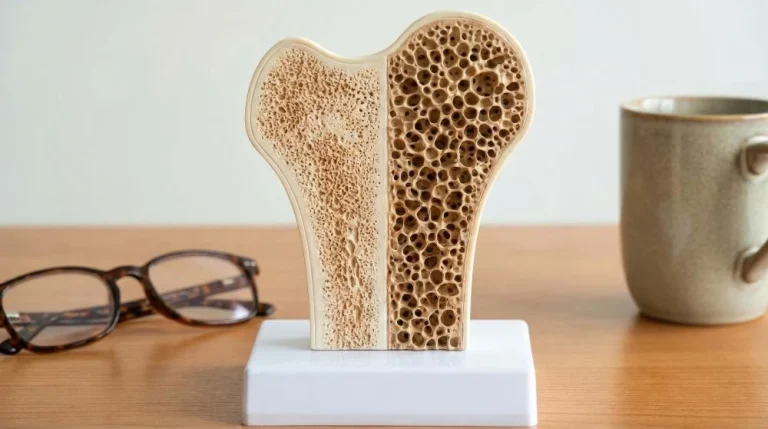 Health Blog
To maintain health bone health after 40 years of age one must start taking care early. Early awareness about bone health can…
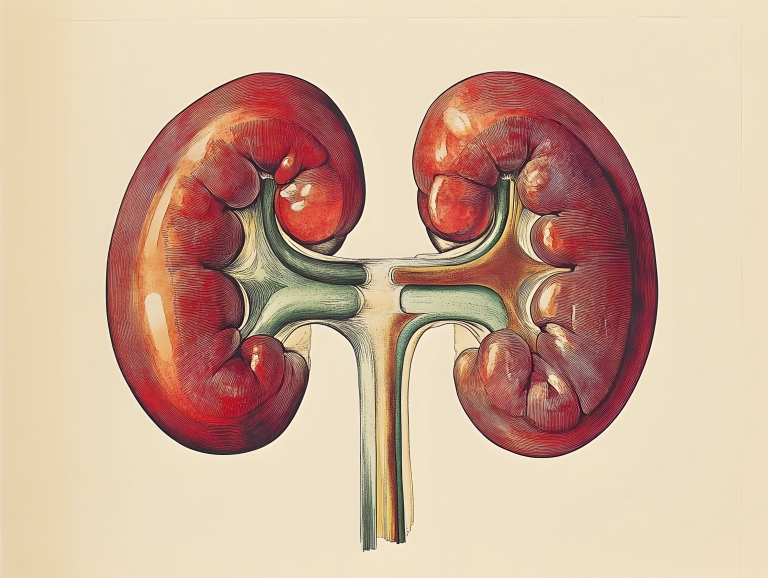 Health Blog
End stage kidney disease or complete kidney failure patients need kidney transplant. Kidney transplant is recommended by nephrologists for patient with end…
Answers from our bone marrow transplant team.
Yes, children can undergo a bone marrow transplant, especially for genetic disorders like thalassemia and sickle cell anemia, as well as certain cancers. Pediatric BMT units in Kolkata provide specialized care for children.
Many patients go on to live a healthy, normal life after a bone marrow transplant, especially when the transplant is done early in the disease stage and proper post-BMT care is followed.
The success rate of bone marrow transplant depends on factors like the patient’s age, disease type, and donor match. On average, success rates range from 60% to 90% for certain conditions in advanced centers like those in Kolkata.
The bone marrow transplant procedure itself is not painful, as stem cells are infused through an IV like a blood transfusion. However, patients may experience temporary discomfort during the conditioning phase (chemotherapy/radiation) or post-transplant recovery.
The approximate cost of a bone marrow transplant at Desun Hospital ranges between ₹10–12 lakhs, making it one of the most affordable BMT options in Kolkata without compromising on quality and safety.
Desun’s dedicated BMT unit is equipped with advanced facilities, experienced specialists, and strict infection control measures to ensure the best outcomes.
Insurance & financial assistance options: We also provide insurance coverage and financial assistance options, making BMT with insurance at Desun Hospital hassle-free for patients and their families.
What is GVHD?
A serious complication in allogeneic transplants (when donor stem cells are used), where the new immune cells attack the patient’s body.
Types:
Acute GVHD – Develops within 100 days after transplant
Chronic GVHD – Appears later and can last for months or years
Prevention & Care: Immunosuppressive drugs and close monitoring.
After BMT, the immune system is very weak, increasing vulnerability to bacterial, viral, and fungal infections. Low platelet counts can cause internal or external bleeding. Safe Bone Marrow Transplant in Kolkata: Advanced hospitals provide sterile transplant units, HEPA filtration rooms, and strict infection control to minimize these risks.
A successful Bone Marrow Transplant (BMT) depends on finding a compatible stem cell donor. The process involves HLA typing and donor selection to ensure the best outcome.
Donor Matching (HLA Typing)
What is HLA Typing?
HLA (Human Leukocyte Antigen) typing is a test that checks the genetic compatibility between donor and patient.
The closer the HLA match, the lower the risk of complications like Graft vs Host Disease (GVHD).
Bone marrow match process is usually done using blood or cheek swab samples.
Related vs Unrelated Donors
Related Donor:
Usually a sibling, as they have the highest chance (25%) of being an HLA match.
Unrelated Donor:
Found through national and international donor registries when no family match is available.
Haploidentical Donor:
A half-matched relative (parent or child) can be considered if no full match is available.
Role of Donor Registries
Bone marrow donor registries help patients connect with voluntary donors worldwide.
Registries maintain a database of potential stem cell donors who are willing to donate if they match.
Desun Hospital is recognized as a leading Bone Marrow Transplant Center in Kolkata, offering advanced care and high success rates for patients with blood disorders and cancers.
Experienced Team of Hematologists & Oncologists
Our specialized team of hematologists and oncologists brings years of expertise in handling complex BMT cases, ensuring personalized treatment and better outcomes.
24×7 Critical Care & Infection Control
We provide round-the-clock critical care support, along with state-of-the-art infection control measures, HEPA-filtered rooms, and a sterile transplant unit to ensure maximum safety during and after the procedure.
Free Desun Account
Just your name and mobile number. We send a one-time code — no password to remember. Your results are private and never shared.
Check Your SMS
Sent to .

 Case Study