Brittle bones after 50: How advanced orthopaedic care can prevent sudden fractures

October 22, 2026 To maintain health bone health after 40 years of age one must start taking care early. Early awareness about bone health can help maintain bone density, as we age the loss of bone minerals outpace the formation of bone density. So preventive bone care through lifestyle, diet and medical help under guidance of orthopaedic can help us to a great extent.

Below are some points that cover broadly the preventive bone loss care through lifestyle, diet and medical intervention.

Lifestyle Intervention for Stronger Bones


Some of the best exercises for bone density?

Weight-bearing and resistance training help in accelerating bone growth. Carry out exercises that force us to work against gravity.
  1. Examples: Brisk walking, jogging, climbing stairs, and hiking.
  2. Strength training: Light weight training. Exercising with resistance bands 2-3 times a week to target specific muscle groups and strengthens the attached bones.
Calcium and Vitamin D are very essential for strong bones. After age 40, your body requires consistent daily intake through diet and if advised by doctor then also through supplements to prevent bone loss. (the frequency and quantity have to be decided by doctor and strictly avoid self-medication)
  1. Calcium: Aim for 1,000 to 1,200 mg daily. Common sources include dairy products (milk, yogurt, cheese), leafy greens (kale {is better} , spinach), whole eggs, fatty fish and fortified foods.
  2. Vitamin D: Essential for calcium absorption. Aim for 600 to 800 IU daily through safe sun exposure, fatty fish, egg yolks, or supplements if recommended by a doctor.

What habits should be avoided to prevent bone loss?

Smoking and alcohol consumption actively weaken your skeletal structure. Also avoid high sugary drinks, cold-drinks, high sugar.

Preventive Medical Care

When should we consult a general practitioner (GP)?

The primary care physician manages baseline preventive health and screens for gradual bone loss risk factors with age.
  • Routine checkups: Inform doctor about walking, pain issues and balance issues, loss of grip strength, ability to carry regular weights of bags etc.
Doctor may ask us to monitor Vitamin D, calcium levels, RA factor through regular blood tests.
  1. Risk assessment: The GP doctor can evaluate if family history, early menopause, or medical conditions (like thyroid disorders) increase the risk for osteoporosis.
  2. Medication review: Certain long-term medications, such as corticosteroids, can thin your bones. Doctor can adjust doses to minimize this impact. Do not do it on your own, do take advice of specialist doctor.

When should we see an orthopaedic or bone specialist?

An orthopaedic specialist or endocrinologist provides advanced care if we have an elevated risk of fractures or show signs of bone thinning.
  1. Bone Density Testing: Doctor may recommend a DEXA scan (Dual-Energy X-ray Absorptiometry) for women over 65 and men over 70, or earlier (after 40 or 50) if you have high-risk factors or experience a fracture from a minor fall.
  2. Prescription treatments: If a DEXA scan reveals low bone density (osteopenia) or osteoporosis, a specialist can prescribe bone-preserving medications. These include bisphosphonates or hormone therapies to slow down bone breakdown.
Expert Opinion

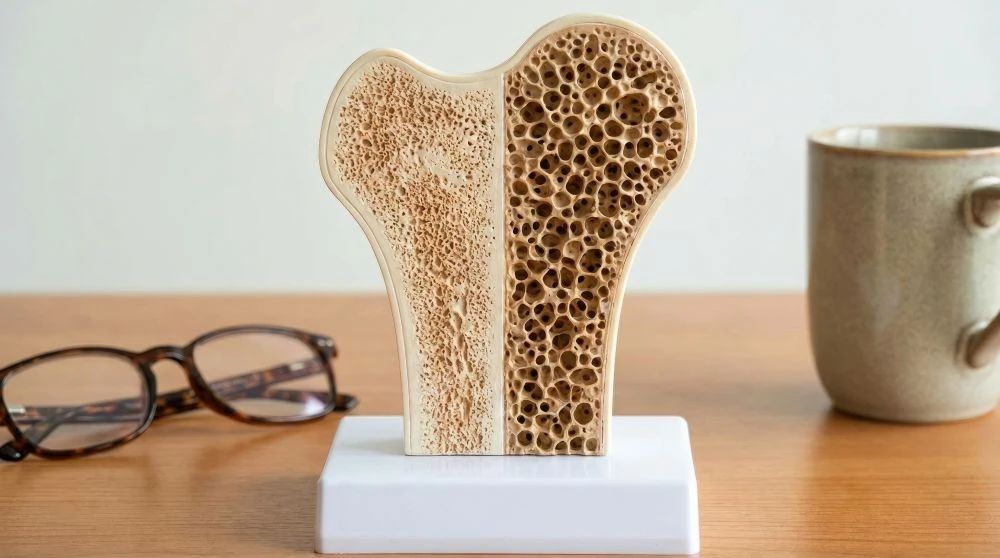
“After the age of 50, declining bone density can make bones more fragile and increase the risk of fractures, sometimes even after a minor fall. Early diagnosis through bone density testing, adequate calcium and vitamin D, regular weight-bearing exercise, and timely medical intervention can help reduce these risks. Advanced orthopaedic care, including minimally invasive fracture management and appropriate surgical techniques, can improve recovery, restore mobility, and help patients maintain an active, independent life.”

-Consultant Orthopaedic Surgeon
-Desun Hospital, Kolkata

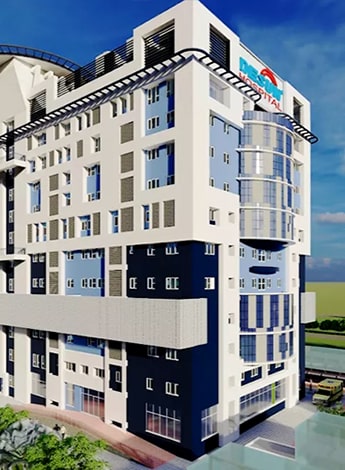
Desun Hospital located at the Desun More on the Eastern Metropolitan Bypass in Kolkata, is a JCI and NABH-accredited superspeciality hospital. Its Department of Orthopaedics and in-house diagnostic facilities are fully equipped to handle comprehensive bone care, advanced screenings, and major skeletal surgeries.

Bone Care OPD & Specialists

The Orthopaedics Department operates a regular outpatient department (OPD) for acute and chronic bone issues.
  1. Clinical Scope: The OPD caters to conditions ranging from arthritis, osteoporosis, and complex trauma to spinal disorders and sports injuries.
  2. Consultant Expertise: The department houses experienced orthopaedic consultants and surgeons.
  3. OPD Registration Benefit: The hospital frequently provides a promotional waiver on general OPD registration fees, meaning patients only need to clear the specific doctor's consultation charge.

Advanced Bone Diagnostic Services

Desun features a 24-hour diagnostic wing backed by full-time specialist radiologists and an NABL-accredited pathology laboratory, ensuring all critical bone investigations happen in-house.
  1. DEXA (BMD) Scan: The hospital offers Dual-Energy X-ray Absorptiometry (DEXA) screenings. This is the primary test used to evaluate bone mineral density, diagnose osteopenia or osteoporosis, and determine future fracture risks.
  2. CT Scan: Equipped with 64-slice and high-resolution CT infrastructure, the hospital provides precise, multi-angle bone imaging. This is critical for assessing intricate joint fractures, complex bone trauma, and structural planning before surgery.
  3. MRI Scan: The hospital utilizes soundless, steady-image MRI technology. This allows radiologists to get detailed views of soft tissues surrounding the bone, identifying conditions like torn ligaments (ACL/PCL), meniscus tears, spinal disc herniations, and joint inflammation.
  4. Blood Works: Backed by its massive reference lab framework, the pathology department handles bone-specific metabolic panels including Serum Calcium, Vitamin D3, Uric Acid, Rheumatoid Factor (RF), and complete blood counts (CBC) to screen for arthritic and inflammatory disorders. Specialised bone health packages are occasionally curated starting from baseline rates.

Orthopaedic Surgeries & Infrastructure

For severe degeneration, complex trauma, or deformities, Desun Hospital is widely recognised for its composite, all-inclusive surgery packages. These packages bundle everything from pre-operative check-ups to post-discharge care under a fixed, predictable cost structure.
  1. Joint Replacements: High success rates in total or partial Knee Replacements, Hip Replacements, Shoulder Replacements, and Elbow Replacements.
  2. Arthroscopic & Minimally Invasive Surgeries: Keyhole procedures for sports injuries, including ACL/PCL ligament reconstructions and meniscectomies.
  3. Trauma & Fracture Fixations: Open Reduction Internal Fixation (ORIF) using dynamic hip screws, plates, cannulated screws, and tension band wiring for major fractures.
  4. Spine Surgeries: Specialized procedures such as laminectomies, discectomies, spinal fusions, and tumour removals.
  5. OT Infrastructure: The hospital implements modern Steel OTs specifically designed to reduce the risk of surgical site infections, which is a major safety metric for bone implants and joint placements.


image