Kidney Transplant Surgery: Trusted Insights from Desun Hospital Kolkata
July 28, 2026
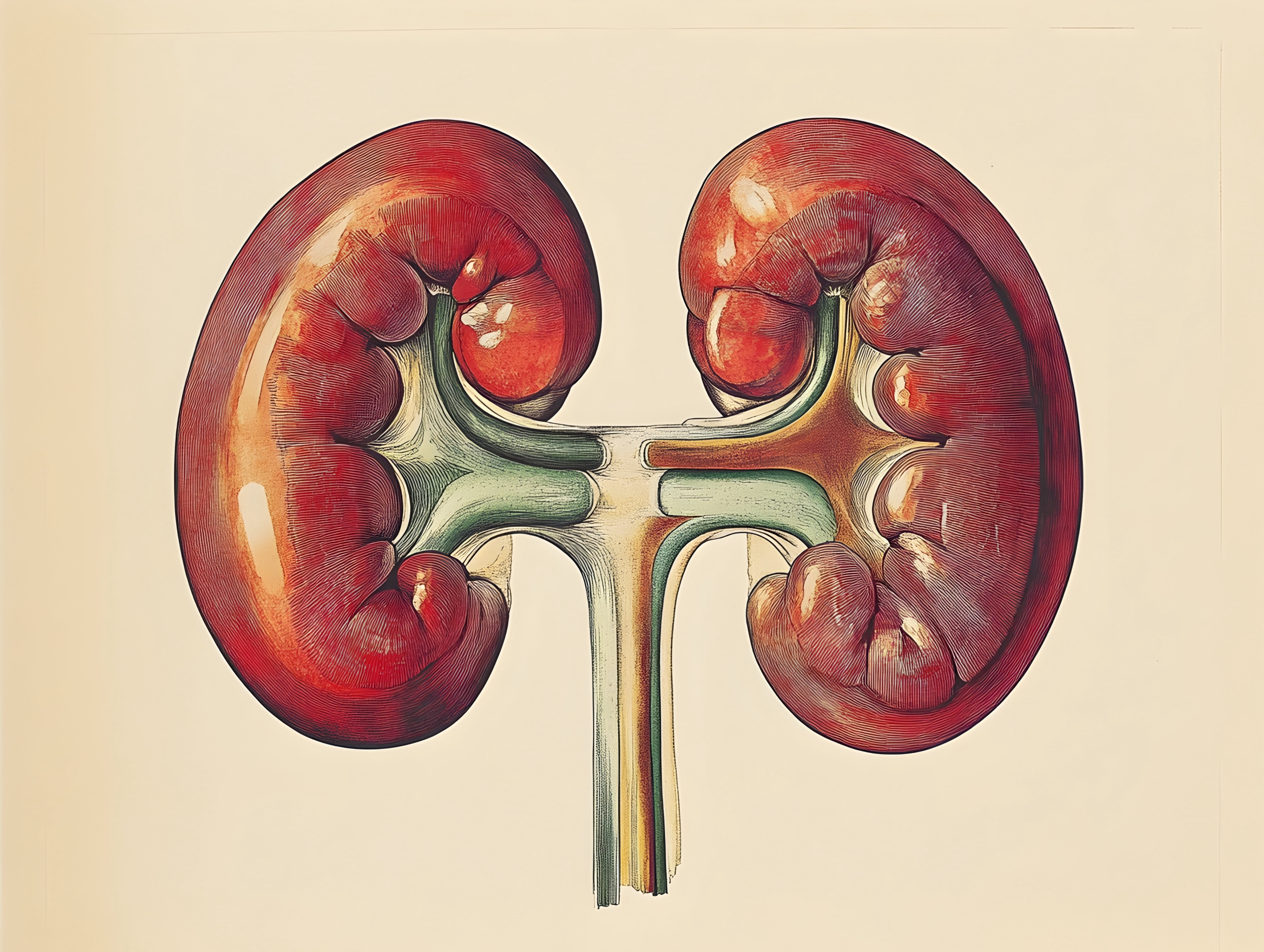
End stage kidney disease or complete kidney failure patients need kidney transplant. Kidney transplant is recommended by nephrologists for patient with end stage renal condition or renal failure.
Kidney transplant is just not a complex surgery but also a complex medical-legal procedure that requires various stages of medical documentation and appropriate donor and matching with the donor.
Every hospital cannot do transplant surgeries like kidney transplant; there are few hospitals who have expert team of transplant doctor and overall healthcare infrastructure to carry out kidney transplant.
Desun Hospital Kolkata -JCI and NABH accredited superspeciality hospital has facility for kidney transplant surgeries.
In India, kidney transplant preparation is strictly managed by stringent legal frameworks to prevent commercial exploitation, financial planning through government or private channels, and meticulous medical clearances overseen by national registries.
Here is the structured overview of what precedes a
kidney transplant from the perspective of kidney transplant for patient in India.
Underlying health condition and Indian landscape
- Primary causes: Chronic kidney disease (CKD) and end-stage renal disease (ESRD) in India are primarily progressing for need to replace kidney by uncontrolled diabetes and hypertension.
- Dialysis challenges: Many Indian patients remain on long-term haemodialysis due to longer process of kidney transplant, cost and availability of kidney donor through appropriate process, making pre-transplant cardiac evaluation, lungs and few more health parameters critical.
- Surgical approach: Native kidneys are rarely removed; the donor organ is placed laparoscopically or via robotic surgery.
Legal and regulatory approval
- THOA compliance: Every transplant must strictly comply with the Transplantation of Human Organs Act to ensure no commercial dealings occur.
- Authorization committee: Living donor-recipient pairs must clear a strict interview with a government-appointed committee to prove an emotional relationship.
- Documentation: Patients must provide extensive documentation, including family trees, government identity proofs, and video recorded consent.
National registry and donor matching
- NOTTO framework: Deceased donor registrations are tracked by the National Organ and Tissue Transplant Organisation (NOTTO) network.
- State distribution: Regional registries (ROTTO) and state bodies (SOTTO) manage the local allocation of deceased organs.
- Living donors: Due to long waitlists, most Indian transplants rely on close blood relatives as living donors.
Pre-transplant medical clearance
- Cardiac mapping: Comprehensive screening via echocardiograms is mandatory due to the high cardiovascular risks in Indian ESRD patients.
- Infectious screening: Detailed test for tuberculosis, Hepatitis B/C, and HIV is standard protocol before immunosuppression.
- Crossmatch tests: Checking tissue compatibility via HLA typing and flow cytometry prevents immediate organ rejection.
Patient and financial preparation
- Government schemes: Economically weaker sections leverage benefits like Ayushman Bharat (PM-JAY) or the Rashtriya Arogya Nidhi for cash-free treatments.
- Private health insurance policies depending on terms and conditions, waiting period terms, pre-existing disease rules as per health insurance policy some policies that have such transplant facility coverage, do cover Kidney transplant from pre-transplant to post transplant stages.
- Vaccination routine: Patients receive mandatory shots for Hepatitis B, pneumococcal, and influenza before starting lifelong immunosuppressants.
- Support systems: Setting up a dedicated home caregiver is emphasized to manage the patient's strict post-operative hygiene requirements.
Expert Opinion
"A kidney transplant is often the best treatment option for suitable patients with end-stage kidney disease because it not only replaces kidney function but also restores independence and improves overall quality of life. The key to a successful transplant lies in timely evaluation, careful donor selection, expert surgical care, and lifelong follow-up. Patients should never delay seeking specialist advice if they are approaching kidney failure, as early planning leads to better outcomes."
-Consultant Nephrologist
-Desun Hospital, Kolkata
Desun Hospital, Kolkata provides comprehensive, state-of-the-art facilities for kidney transplant surgery, supported by a multidisciplinary team from its
Desun Nephrology Department and
Desun Urology Department. The hospital is fully accredited by JCI,
NABH and
NABL, making it a primary hub for advanced renal care in Kolkata, Weste Bengal, Eastern India.
The critical facilities and features available for kidney transplants at
Desun Hospital includes:
- Advanced Surgical Capabilities
- Expert Transplant Team: The hospital houses senior urologists, uro-oncologists, and kidney transplant surgeons , who specialize in minimally invasive renal transplant surgeries.
- Modular Operation Theatres: Desun features modern, infection-controlled modular steel OTs equipped with steel walls and laminar airflow to reduce the risk of surgical site infections.
- Robotic and Laparoscopic Surgery: Facilities include advanced robotic-assisted platforms and laparoscopic technologies for performing minimally invasive donor nephrectomies (kidney harvesting), ensuring quicker recovery times and less pain for the living donor.
- Pre-Transplant and Intensive Care Support
- Comprehensive Dialysis Unit: A 20-bed Dialysis Unit operates 24/7 with advanced machines to handle critical pre-operative fluid and waste clearance.
- Dedicated Transplant ICU: Isolated intensive care setups are available to monitor immunosuppressed transplant recipients closely immediately after surgery, preventing cross-infections.
- 24/7 Emergency and Midnight Surgery: As a dedicated emergency hospital, Desun has infrastructure ready to facilitate immediate deceased-donor transplant surgeries at midnight if an organ suddenly becomes available through the NOTTO/SOTTO registry framework.
- Financial and Administrative Facilities
- All-Inclusive Surgery Packages: Desun offers competitive, pre-calculated Nephrology Surgery Packages to keep transplant costs transparent for families.
- Cashless and TPA Insurance: The hospital is part of the Preferred Provider Network (PPN), easing cashless claim processing with major private health insurance providers and government schemes.
- Legal Guidance Desk: A dedicated desk assists the patient and donor with paperwork, helping them navigate the strict legal approvals mandated by India's THOA (Transplantation of Human Organs Act)
Desun Hospital has strong infrastructure to perform Kidney transplant for patients who requires such transplant and the service is focused to deliver excellence from pre-transplant stages to post transplant care before discharge and follow-ups. Desun Hospital Kidney OPD (Renal / Nephrology) has experienced doctors available for consultation.
 90 5171 5171