


Nutrition & Dietetics
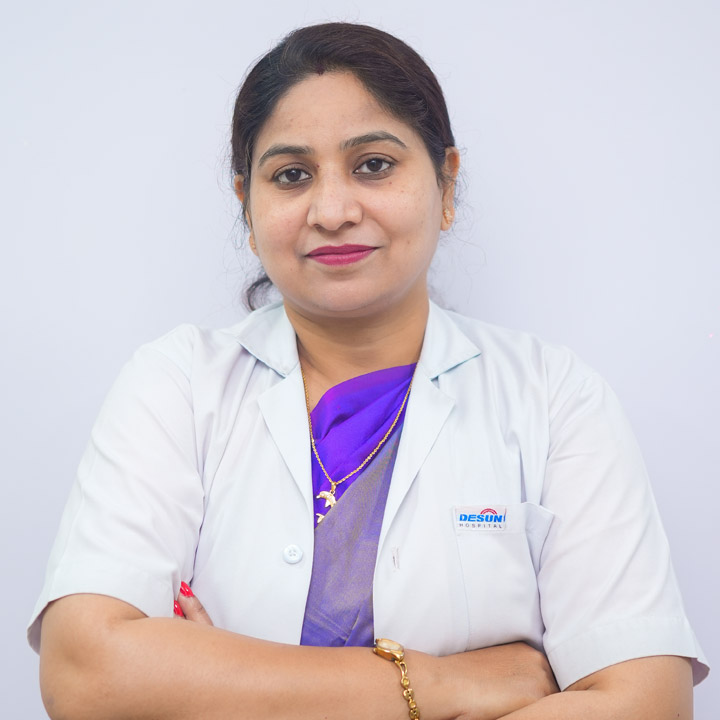
No doctor in this list has OPD on that day. Try another day or call +91 90 5171 5171.
Patient Testimonials


Frequently Asked Questions
Can diet improve skin conditions?
Yes, certain dietary changes can improve skin health. For example:
- Eating foods rich in antioxidants (berries, nuts, and leafy greens) can reduce inflammation and skin damage
- Omega-3 fatty acids from fish or flaxseeds may help reduce acne and eczema
- Hydrating with water and limiting sugary foods can support clearer skin A dietitian can guide you on the best foods for maintaining healthy skin based on your condition.
What is a gluten-free diet?
A gluten-free diet excludes gluten, a protein found in wheat, barley, and rye. It is essential for individuals with celiac disease or gluten sensitivity. Gluten-free alternatives include rice, potatoes, quinoa, and gluten-free grains and flours. If you suspect gluten intolerance, consulting a dietitian is recommended for proper diagnosis and dietary guidance.
How can I improve my digestive health?
To improve digestive health:
- Eat high-fiber foods, such as fruits, vegetables, whole grains, and legumes
- Drink plenty of water throughout the day
- Include probiotics in your diet (e.g., yogurt, kefir) to support gut health
- Avoid large meals or heavy, greasy foods that may irritate the digestive system
- Stay active to promote regular bowel movements If you have specific digestive issues like IBS or acid reflux, a dietitian can provide specialized advice.
What is the difference between a nutritionist and a dietitian?
A dietitian is a licensed healthcare professional who has completed a degree in nutrition and dietetics and is often registered with a governing body. Dietitians provide medical nutrition therapy for specific conditions. A nutritionist generally refers to someone with expertise in nutrition but may not have formal education or licensing requirements, depending on the region. Nutritionists provide general advice on healthy eating.
When should I consult with a nutritionist or dietitian?
You should consult with a nutritionist or dietitian if you:
- Have a chronic condition such as diabetes, hypertension, or heart disease
- Are recovering from surgery or illness
- Need to manage weight loss or gain
- Have food allergies or intolerances
- Need help planning a healthy diet
- Are pregnant or breastfeeding
- Are a child or elderly person with specific dietary needs