The Post-Pujo Health Reset: Bouncing Back from Festive Fatigue and Stomach Bug
October 20, 2026
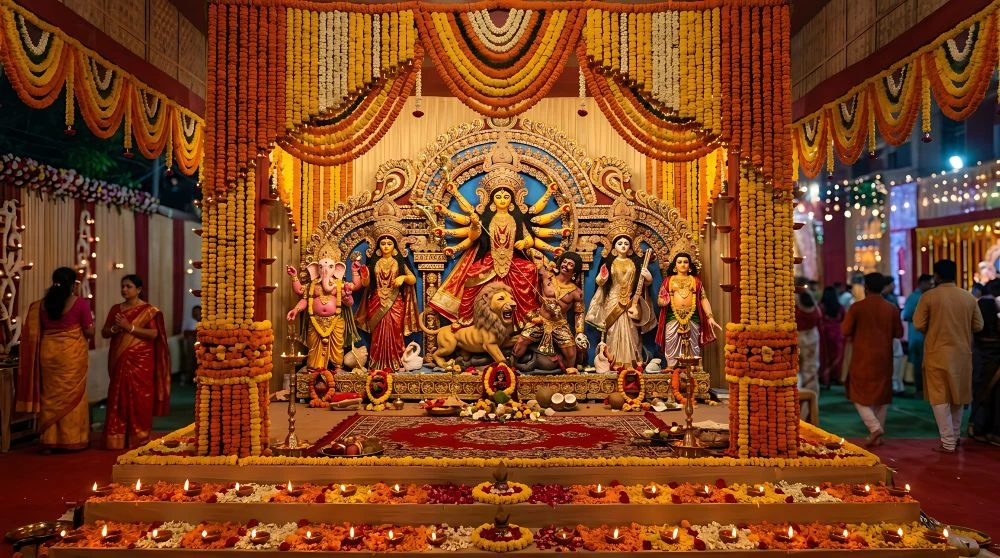
Durga Puja and the entire festive season is wonderful for the mind but not always for the body. Late nights, irregular meals, sweets, rich food, eating out, reduced sleep, long hours outdoors and crowded gatherings can leave you feeling exhausted once the celebrations end.
For some people, the festive season may also be followed by an upset stomach, including ailments such as diarrhoea, vomiting, abdominal cramps or nausea. The answer, however, is not a drastic “detox.” Your body usually needs simpler measures to recuperate, through rest, hydration, balanced food, and time to recover.
Firstly, it is important to understand the difference between fatigue and illness. Feeling tired after several days of late nights and constant activity is common. But fatigue accompanied by persistent vomiting, diarrhoea, fever, severe abdominal pain or dehydration may indicate an infection or foodborne illness and deserves medical attention. Common symptoms of food poisoning include diarrhoea, abdominal cramps, nausea, vomiting and fever.
Step 1: Rehydrate If you’ve had vomiting or diarrhoea, replacing lost fluids and electrolytes is one of the most important steps. Take frequent small sips if drinking a large quantity at once makes you nauseous. Depending on your condition, water, broths and appropriate oral rehydration solutions may help replace fluids and electrolytes. People with significant dehydration, older adults, pregnant women and people with certain medical conditions may need medical guidance.
Step 2: Don’t starve yourself One common misconception is that you should stop eating completely after a stomach infection. When your appetite returns, most people can gradually return to their usual diet. Strict fasting or highly restricted diets are generally not recommended for routine viral gastroenteritis. However, foods very high on fat, excessive caffeine, highly sugary drinks, and certain dairy products can worsen symptoms for some people while they recover. It is important to choose simple, balanced meals and listen to your body.
Step 3: Give your digestive system some breathing room After days of rich festive food, return to regular meal timings, with a good mix of fresh vegetables, fruits, whole grains, pulses and other protein sources, adequate fluids, and moderate portions. You don’t need juice cleanses or crash diets to “flush out toxins”. Your liver, kidneys and digestive system already perform the body’s normal waste-processing functions.
Step 4: Fix your sleep schedule - Late Pujo nights can disrupt your sleep rhythm. Try to return to a consistent bedtime and wake-up time. Avoid excessive screen use close to bedtime and give yourself adequate time to sleep. Good sleep supports physical recovery, concentration and emotional well-being.
Step 5: Restart exercise gradually - If you spent several days walking extensively, your body may actually need recovery rather than another intense workout. Start with gentle walking and mobility exercises. Increase activity gradually once your energy returns.
When should you see a doctor?

Don’t simply assume that prolonged symptoms are “just a stomach bug”. These may indicate dehydration or a more serious infection. Seek medical advice if you have:
- Bloody diarrhoea
- Persistent diarrhoea
- High fever
- Repeated vomiting
- Severe abdominal pain
- Very little urination
- Marked dizziness or fainting
- Difficulty drinking enough fluids
- Symptoms that are worsening rather than improving
The post-Pujo reset in five steps
Hydrate → Eat sensibly → Sleep well → Move gradually → Seek help when symptoms persist.
The goal isn’t to punish yourself for enjoying the festivities. It’s simply to return to the healthy routines that keep your body functioning well.
Expert Opinion
“After the festive season, irregular meal timings, rich foods, inadequate sleep and changes in routine can leave people feeling fatigued and experiencing digestive discomfort. Recovery begins with adequate rest, regular balanced meals, sufficient fluids and simple, easily digestible foods as tolerated. If you develop a stomach bug with vomiting or diarrhoea, oral rehydration solution (ORS) can help replace lost fluids and electrolytes. Avoid self-medicating with antibiotics, as many stomach infections do not require them. Seek medical attention if symptoms are severe or persistent, or if you notice blood in the stool, high fever, severe abdominal pain, reduced urination or signs of dehydration.”
-Consultant Gastroenterologist
-Desun Hospital, Kolkata
The Desun takeaway
You don’t need a detox after Pujo. You need recovery. Give your body fluids, nutritious food, adequate sleep and time to regain its rhythm. If stomach symptoms are severe or persistent,
consult a healthcare professional rather than relying on home remedies alone.
 90 5171 5171