Good News for Fish Lovers- Why Big, Fatty Fish is Actually Great for Your Heart
September 12, 2026
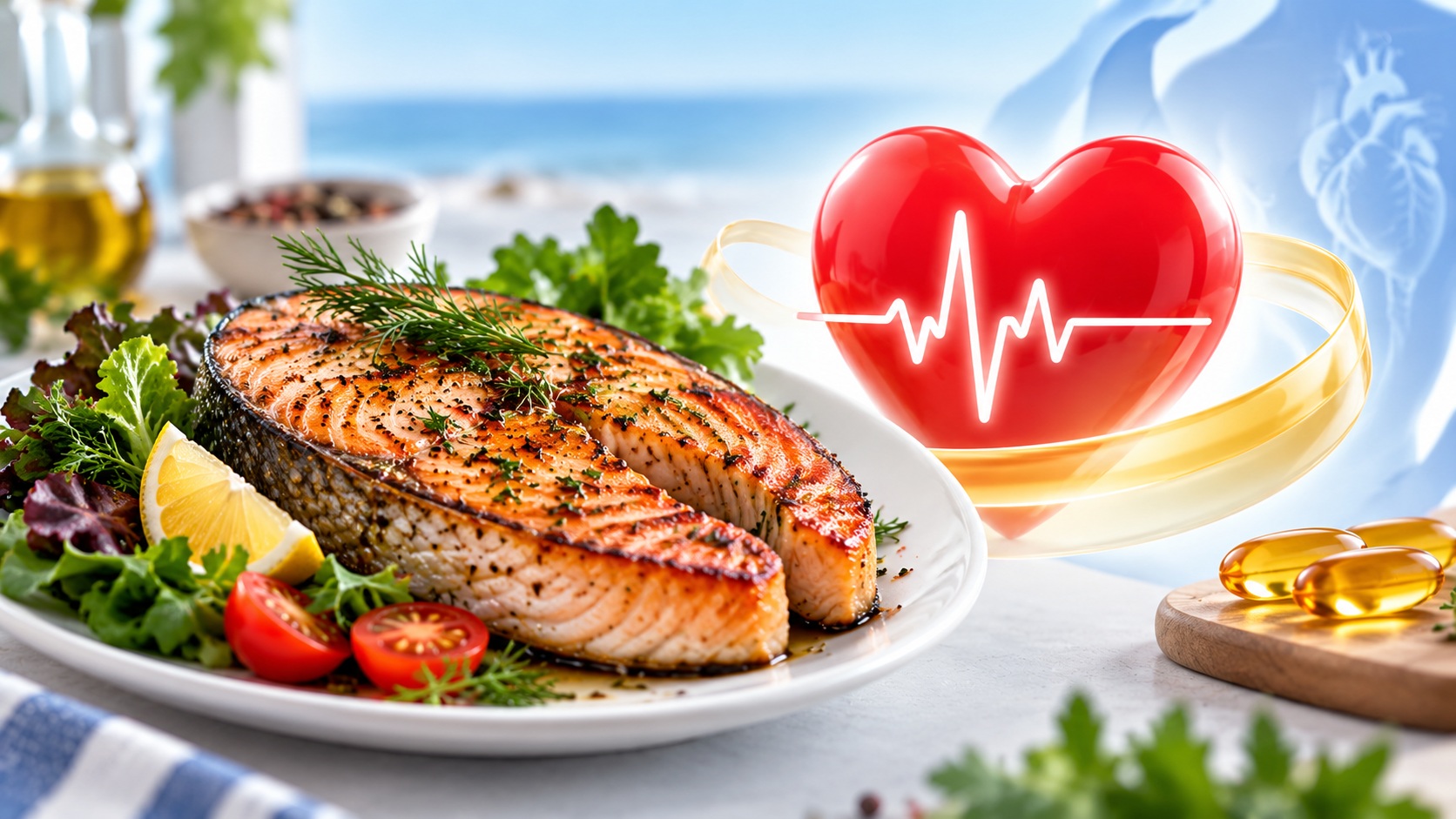 Fishes like Rohu, Katla, Hilsa are good for heart.
 These have been part of Bengali diet and included in the diet of Indians who eat fish. For generations, large, oily fish have been the centrepiece of the traditional plate in West Bengal. The rich, oily portions of mature sized local fishes are packed with
Omega-3 fatty acids, which is beneficial for the human
cardiovascular system.
If we include these fishes of India in the weekly diet – daily or at least 2-3 times weekly in regular portion sizes of 75-100 grams, the body receives a powerful dose of heart health friendly nutrients that contribute to maintaining lower blood pressure, management of harmful triglycerides, healthy HDL
cholesterol levels and even help prevent plaque buildup in the arteries.
The Big Four: Bengal's Top Heart-Healthy Fish
- Hilsa (Ilish): It is also a fish with fats; its rich oils are highly concentrated with Omega-3 polyunsaturated fatty acids (PUFAs) that actively help lower bad cholesterol. Have in limits and not daily or very frequently.
- Katla: A big size (around 3.5-6 kg or more), - mature Katla fish has dense storage of healthy fats in its belly area, providing an excellent ratio of Omega-3 to Omega-6 fatty acids to help control arterial inflammation.
- Rui (Rohu): A fully grown, mature (Rohu) Rui contains high-quality lean protein alongside potassium and zinc, which work together to protect heart muscles and regulate blood pressure.
- Aar: This thick, large river fish provides a robust combination of monounsaturated fats and Vitamin B12, supporting smooth blood flow and healthy blood vessel function.
Do not just stick to one variety of fish, have 2-3 varieties of fishes in a month, to get the goodness of various fishes. Katla and Rohu is most commonly consumed, and it is fine with occasional consumption of Arr and Hilsa fish.
The Golden Rule: Cooking for a Healthy Heart
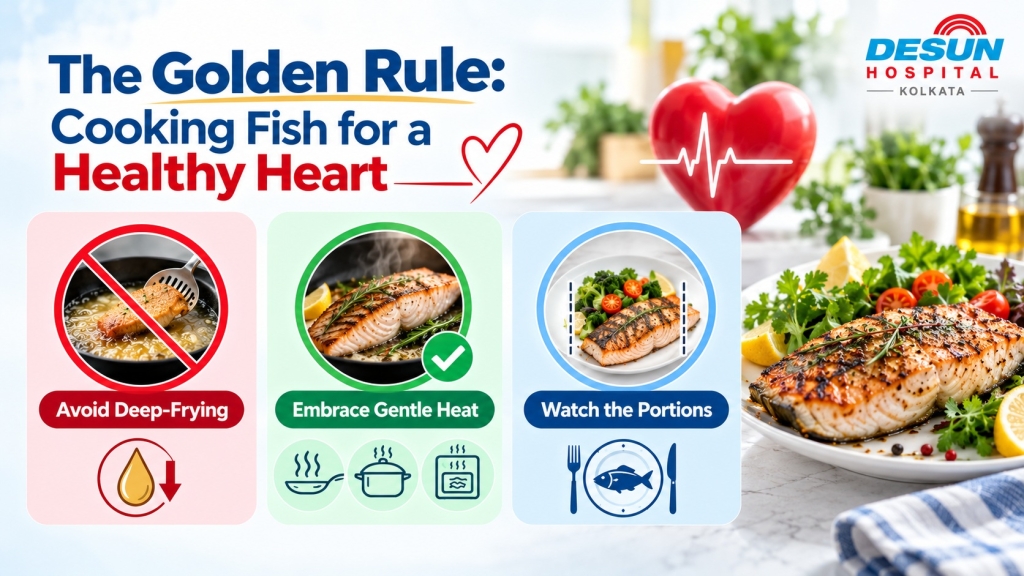
The cardiovascular benefits of these fish depend entirely on how they are prepared in the kitchen.
- Avoid Deep-Frying: Frying a piece of fish into smoking-hot mustard oil until it turns hard and crispy destroys most of the delicate Omega-3 molecules. Avoid deep frying, rather bake in low oil.
- Embrace Gentle Heat: Preparing the fish as a light jhol (stew), bhapa (steamed), or baked with minimal oil preserves the heart-healthy fats perfectly.
- Watch the Portions: Consuming these large fish two to three times a week provides optimal heart protection. Avoid overloading the body with excess calories.




 90 5171 5171