High Cholesterol Has No Symptoms, Until It Does: When Should You Get Tested
August 4, 2026
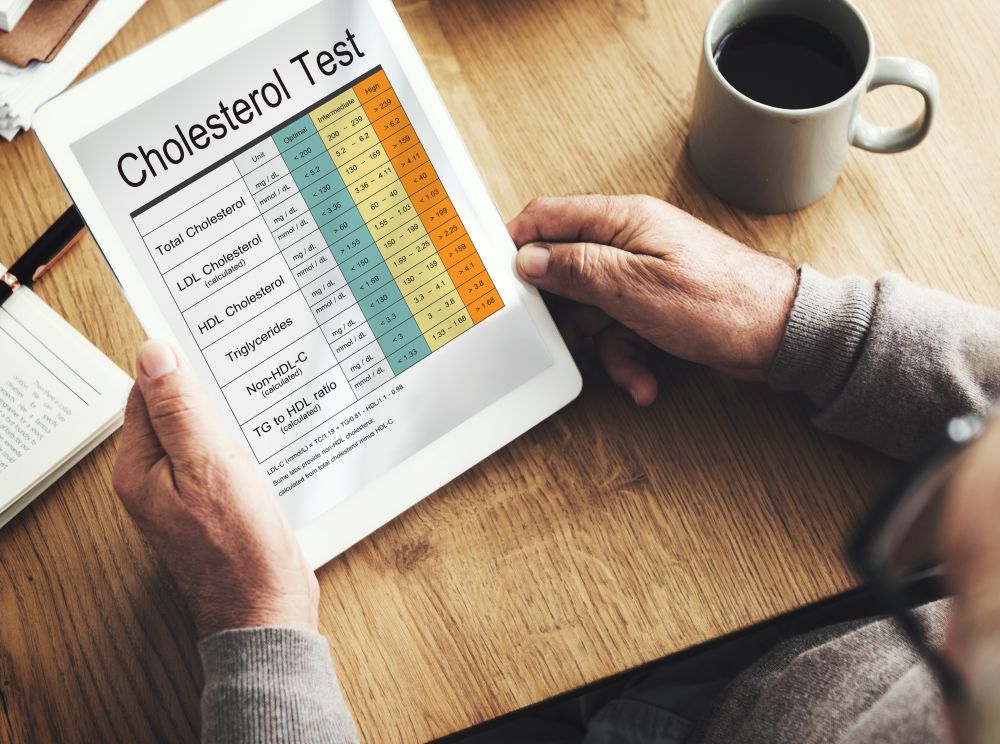
You may feel perfectly healthy, exercise regularly, and have no obvious health complaints, yet your cholesterol levels could be quietly rising. Unlike many medical conditions, high cholesterol rarely causes symptoms.
It doesn’t usually cause pain, fatigue or discomfort. Instead, it silently damages your blood vessels over many years, increasing the risk of
heart attack, stroke and peripheral artery disease. This is why cholesterol is often referred to as the “silent risk factor”. The only reliable way to know your cholesterol levels is through a simple blood test.
What is Cholesterol?
Cholesterol is a waxy, fat-like substance found in every cell of the body. It is essential for producing hormones, vitamin D and substances that aid digestion. Your body naturally produces all the cholesterol it needs. However, cholesterol also comes from foods such as red meat, full-fat dairy products and processed foods. Problems arise when there is too much of certain types of cholesterol circulating in the bloodstream.
Understanding the Different Types of Cholesterol
A lipid profile usually measures four key components:
LDL Cholesterol (“Bad”) Cholesterol: Low-density lipoprotein (LDL) carries cholesterol through the bloodstream. Excess LDL can accumulate inside artery walls, forming plaques that narrow blood vessels and reduce blood flow. Higher LDL levels are associated with an increased risk of cardiovascular disease.
HDL Cholesterol (“Good”) Cholesterol: High-density lipoprotein (HDL) helps remove excess cholesterol from the bloodstream and transports it back to the liver for disposal. Higher HDL levels are generally considered protective for heart health.
Triglycerides: Triglycerides are another type of fat found in the blood. Elevated levels often accompany obesity, diabetes and unhealthy dietary habits, further increasing cardiovascular risk.
Total Cholesterol: This is the combined amount of cholesterol present in your blood and provides an overall picture when interpreted alongside LDL, HDL and triglyceride levels.
Why is High Cholesterol called a Silent Condition?
High cholesterol usually develops gradually without causing noticeable symptoms, even as cholesterol deposits build up inside arteries in a process called atherosclerosis. Over time, these plaques narrow the arteries and may suddenly rupture, leading to blood clots that can trigger a heart attack or stroke. For many people, the first indication of high cholesterol is a medical emergency.
Are there any warning signs?
High cholesterol itself does not usually produce symptoms, and its symptoms indicate complications, not the high cholesterol itself. In rare cases, people with inherited forms of very high cholesterol may develop yellowish cholesterol deposits around the eyelids, tendons or joints.
Advanced blockage of arteries may cause:
- Chest pain (angina)
- Shortness of breath during physical activity
- Pain in the legs while walking due to poor circulation
- Heart attack
- Stroke
Who should get their cholesterol checked?
Regular cholesterol screening is recommended even if you feel healthy, and individuals without obvious risk factors can develop high cholesterol. Testing is especially important if you:
- Are 20 years of age or older
- Have a family history of high cholesterol or early heart disease
- Have diabetes
- Have high blood pressure
- Are overweight or obese
- Smoke or use tobacco
- Lead a physically inactive lifestyle
- Have chronic kidney disease or certain other long-term medical conditions
How often should you get tested?
The frequency of cholesterol testing depends on your age, risk factors and previous results. Also, a doctor may suggest more frequent testing if you have multiple cardiovascular risk factors.
As a general guide:
Adults aged 20 years and above: A baseline lipid profile is advisable. Your doctor will determine how often it should be repeated based on your overall risk.
Adults over 40 years: Regular screening becomes increasingly important because cardiovascular risk rises with age.
People with co-morbidities: Doctors recommend that those with diabetes, hypertension or existing heart disease should get more frequently monitored.
People taking cholesterol-lowering medication: Periodic testing helps assess whether treatment is working effectively.
What increases cholesterol levels?
Several factors influence cholesterol.
Lifestyle Factors
- Diet high in saturated and trans fats
- Lack of physical activity
- Excess body weight
- Smoking
- Excessive alcohol intake
Medical Conditions
Certain health conditions increase cholesterol levels, including:
- Diabetes
- Hypothyroidism
- Chronic kidney disease
- Liver disorders
Family History
Some people inherit a condition called familial hypercholesterolaemia, which causes very high LDL cholesterol from an early age.
How is high cholesterol diagnosed?
Depending on the clinical situation, your doctor may advise fasting before the test or perform a non-fasting lipid profile. A lipid profile is a simple blood test that measures:
- Total cholesterol
- LDL cholesterol
- HDL cholesterol
- Triglycerides
Can high cholesterol be controlled?
Yes. In many cases, cholesterol levels can be improved through lifestyle changes and, when necessary, medication.
Eat a Heart-Healthy Diet
Choose foods that are rich in fibre and healthy fats while limiting foods high in saturated and trans fats.
A balanced diet should include:
- Fruits and vegetables
- Whole grains
- Pulses and legumes
- Nuts and seeds
- Oily fish
- Healthy vegetable oils in moderation
Reduce:
- Fried foods
- Processed snacks
- Bakery products made with trans fats
- Fatty cuts of red meat
- Processed meats
Stay Active
Aim for at least 150 minutes of moderate-intensity physical activity each week, along with muscle-strengthening activities on two or more days, unless your doctor advises otherwise.
Maintain a Healthy Weight
Even modest weight loss can improve cholesterol levels and reduce overall cardiovascular risk.
Quit Tobacco
Stopping smoking improves HDL cholesterol and significantly lowers the risk of heart disease.
Take medicines as prescribed
If lifestyle changes alone are insufficient, your doctor may prescribe cholesterol-lowering medicines such as statins or other therapies based on your cardiovascular risk.
Don’t wait for symptoms
One of the greatest dangers of high cholesterol is that it often remains undetected until a heart attack or stroke occurs. Routine health check-ups and cholesterol screening allow doctors to identify problems early and recommend measures that can significantly reduce future cardiovascular risk. A simple blood test today may help prevent a life-threatening event tomorrow.
Expert Opinion
"High cholesterol is often called a 'silent' condition because it usually causes no noticeable symptoms until it leads to serious complications such as a heart attack or stroke. Regular cholesterol screening is essential, especially for adults over 20, those with diabetes, high blood pressure, obesity, a family history of heart disease, or unhealthy lifestyle habits. Detecting high cholesterol early allows for timely lifestyle changes and, when necessary, medication to significantly reduce the risk of cardiovascular disease."
-Consultant Interventional Cardiologist
-Desun Hospital, Kolkata
Why choose Desun Hospital?
Desun Hospital Kolkata offers comprehensive preventive cardiac care, including advanced lipid profiling, cardiovascular risk assessment and personalised treatment plans. Experienced physicians, cardiologists, nutritionists and preventive healthcare specialists work together to help patients manage cholesterol effectively and reduce their long-term risk of heart disease and stroke.
Frequently Asked Questions (FAQs)
Can I have high cholesterol even if I’m slim?
Yes. Body weight alone does not determine cholesterol levels. Genetics, diet, physical activity and certain medical conditions also play a role.
Does high cholesterol always require medication?
Not always. Some people can improve their cholesterol through lifestyle changes alone, while others may require medication depending on their overall cardiovascular risk.
Is a cholesterol test painful?
No. It involves a simple blood sample and usually takes only a few minutes.
Can young adults have high cholesterol?
Yes. High cholesterol can occur at any age, particularly in people with unhealthy lifestyles or inherited conditions such as familial hypercholesterolaemia.
What is the best way to prevent high cholesterol?
Eating a balanced diet, staying physically active, maintaining a healthy weight, avoiding tobacco and having regular health check-ups are the most effective ways to reduce your risk.




 90 5171 5171