Avoid Daily Acidity, Indigestion and Bloating
September 21, 2026
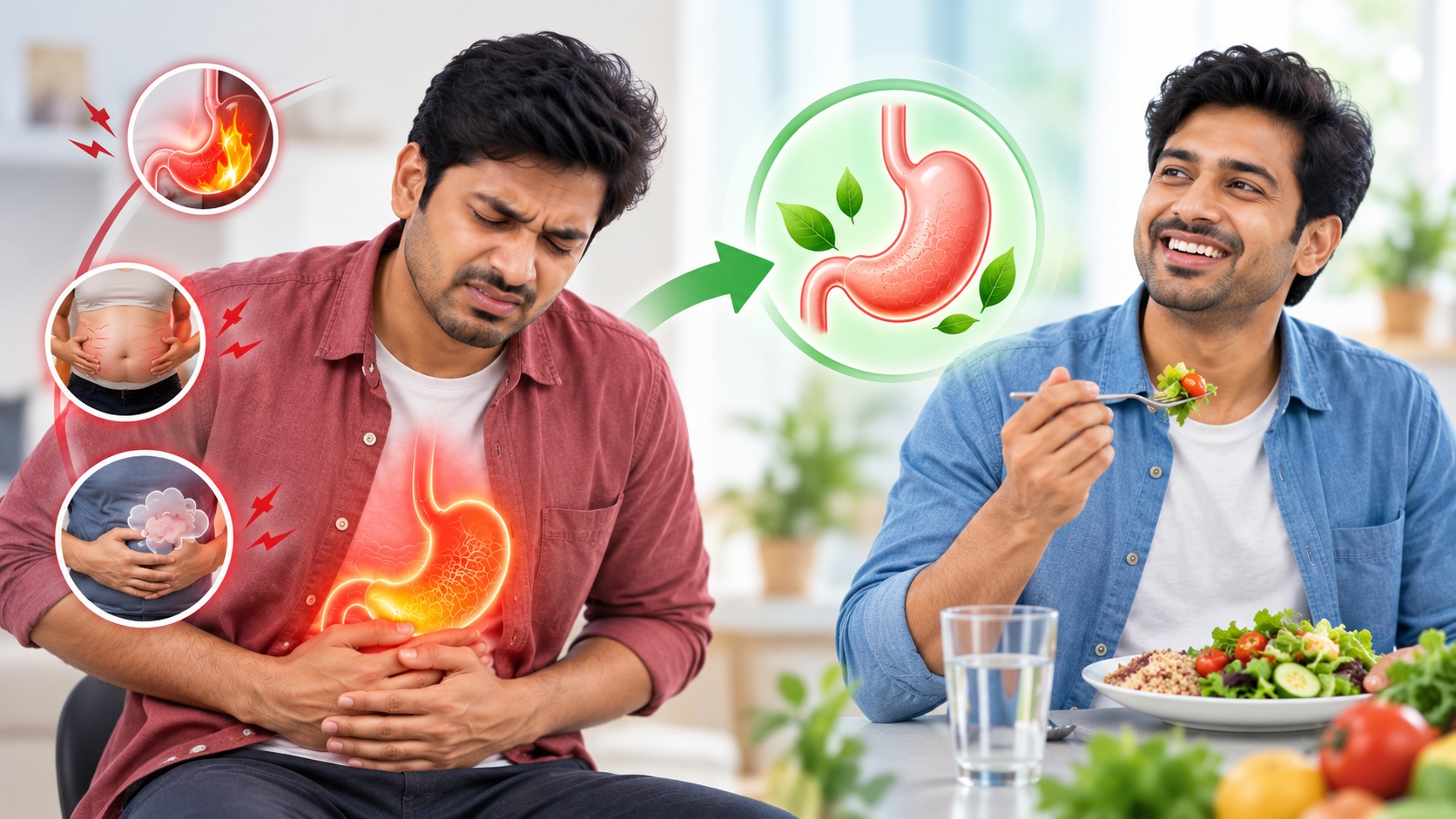
Definitions of Acidity-Indigestion and Bloating
Acidity, indigestion, and bloating are not same, but they are closely connected
gastrointestinal problems. The typical sequence is Acidity, Indigestion, Bloating.
Acidity is caused when there is excess of stomach acid or upward movement of stomach acid.
Indigestion is a condition of discomfort or a feeling of burning inside the upper abdomen post food intake or during food digestion process.
Bloating is the experience of feeling of fullness, tightness, or swelling caused by trapped gas in the digestive tract. At times there can be slight chest pain and feeling of shallow breathing or need for forced long breath. There can be a feeling of low energy.
- Step 1: Acidity – The extra stomach acid irritates the stomach lining or reach up into the food pipe.
- Step 2: Indigestion – The movement of excess stomach acid disturb the usual digestion processes, delaying stomach emptying and leading to pain, discomfort or burning sensation.
- Step 3: Bloating – The slow process of digestion leaves the food to ferment longer than usual, resulting in excess gas that expands the abdomen.
Common Causes
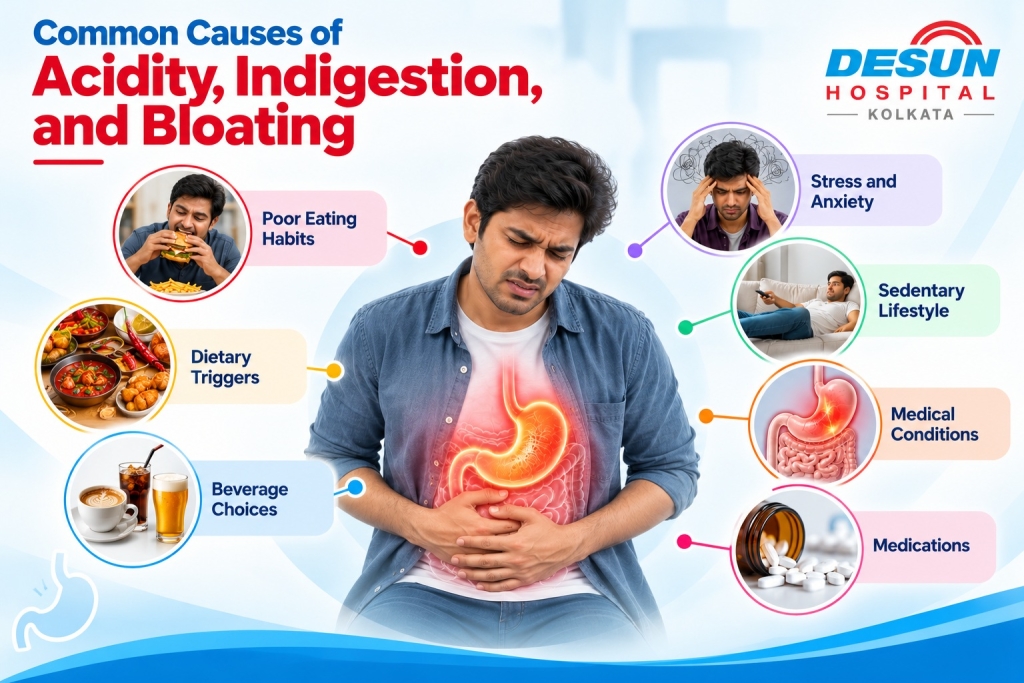
Recurring acidity, indigestion or chronic problems are mostly caused by combination of factors that includes lifestyle, diet, stress level, activity level, eating time, sleep or rest cycles, any lifestyle diseases etc.
- Poor Eating Habits: Overeating, eating too quickly, or skipping meals or long gap between meals.
- Dietary Triggers: Frequent consumption of fatty, sugary, spicy, or deeply fried foods.
- Beverage Choices: Regular consumption of caffeine, carbonated drinks, sugary drinks or alcohol.
- Stress and Anxiety: Emotional stress slows gut motility and alters acid production.
- Sedentary Lifestyle: Lying down immediately after eating or a general lack of daily physical activity.
- Medical Conditions: Health issues like Gastroesophageal Reflux Disease (GERD), peptic ulcers, or irritable bowel syndrome (IBS).
- Medications: Frequent use of pain relievers (NSAIDs like ibuprofen) or certain antibiotics.
Symptoms of Acidity and Bloating
- Heartburn: A sharp, burning chest pain behind the breastbone that worsens when bending or lying flat.
- Sour Regurgitation: Acid or bitter-tasting fluids moving back up into the mouth or throat.
- Abdominal Distension: Visible swelling or expansion of the stomach area.
- Excessive Belching and Flatulence: Frequent burping or passing gas as the body tries to relieve trapped pressure.
- Early Satiety: Feeling uncomfortably full very quickly after starting a meal.
- Nausea: A persistent feeling of sickness or an unsettled stomach after eating.
- Breathlessness: A feeling of shallow breathing and need for more air leading to long breathing or mouth breathing at times
Which Doctor to Consult
It is best to
consult with Gastroenterologist and follow medical advice, diet and lifestyle advice as directed by specialist doctor for digestion. Do avoid self-medication, use of antacids or PPIs without doctor consultation. Do undergo medical tests and prescription medicines as per Gastroenterologist’s advice.
Warning Signs (Red Flags)
At times digestion related problem is common, if it is frequent or regular and certain symptoms indicate more severe underlying conditions. If one experience any of the following warning signs, they must seek medical attention immediately:
- Difficulty Swallowing (Dysphagia): A sensation of food getting stuck in your throat or chest.
- Unexplained Weight Loss: Dropping weight rapidly without trying.
- Persistent Vomiting: Vomiting during food intake or after food intake or vomiting blood.
- Black or Bloody Stools: Tarry, dark stools indicating potential bleeding in the digestive tract.
- Severe, Unremitting Pain: Sharp or constant abdominal pain that do not heal with medicines.
- Chest Pain Mimicking a Heart Attack: Pain radiating to the jaw, neck, arm, or accompanied by shortness of breath.
Things to Avoid- Lifestyle, and Diet Modifications
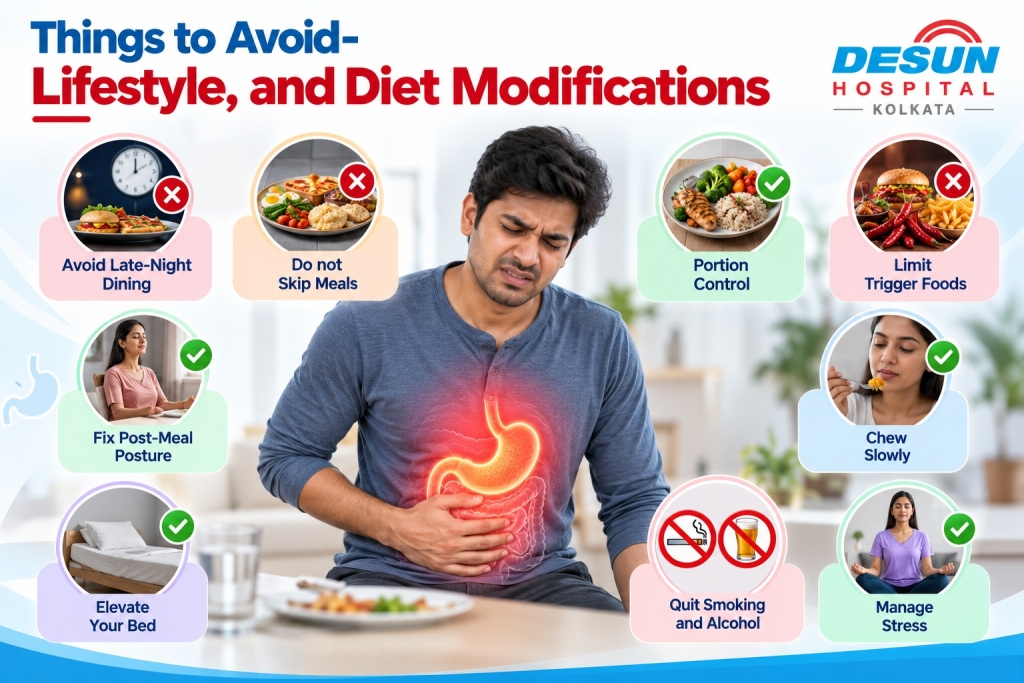
Long-term relief from recurring acidity, indigestion, and bloating requires a comprehensive overhaul of your daily routines. Modifying how, when, and what you eat can significantly lower abdominal pressure and regulate acid production.
- Avoid Late-Night Dining: Do not eat within 3 hours of going to bed to prevent nocturnal acid reflux. Try to eat dinner by 8.30 pm, ideally 7.30 pm.
- Do not Skip Meals: Do not avoid or delay breakfast or stay empty stomach for extended periods or supress hunger intentionally.
- Portion Control: Eat smaller, more frequent meals rather than two or three massive feasts to avoid stress the stomach.
- Limit Trigger Foods: Avoid processed, greasy, sugary, fried, excessively spicy, and sour taste foods.
- Fix Post-Meal Posture: Remain upright for at least 30 to 60 minutes after eating; avoid slouching or lying down. Can walk slowly post 30 minutes of eating for 5-10 mins, it helps.
- Chew Slowly: Eat with awareness and chewing well to prevent swallowing excess air, which directly drives bloating.
- Elevate Your Bed: Raise the head of your bed by 6 to 8 inches using risers (not extra pillows) to keep acid down using gravity.
- Quit Smoking and Alcohol: Both habits weaken the lower oesophageal sphincter, allowing acid to travel upwards.
- Manage Stress: Incorporate daily relaxation techniques like deep breathing, yoga, or meditation to keep the gut-brain axis balanced.
Expert Opinion
“Occasional acidity, indigestion or bloating may be common, but experiencing these symptoms frequently should not be ignored. Eating large or very spicy meals, eating too quickly, irregular meal timings, excessive tea or coffee, carbonated drinks and lying down soon after meals can aggravate digestive discomfort. Maintaining regular meal timings, eating slowly, staying adequately hydrated and including fibre-rich foods can help support better digestion. If symptoms are persistent, recurrent or associated with weight loss, vomiting, difficulty swallowing, blood in stools or severe abdominal pain, medical evaluation is important to identify the underlying cause.”
-Consultant Gastroenterologist
-Desun Hospital, Kolkata
Desun Hospital Facilities – Gastroenterology (Digestion and Liver)
- OPD
Consult specialist doctors for digestion – Gastroenterologist at Desun Hospital OPD with prior appointment, call 9051715171
to book doctor consultation appointment.
- Diagnosis & Medical Tests
Diagnostics – Medical tests available include:
- Endoscopy (UGI Endoscopy): A small camera looks inside your food pipe and stomach.
- Fibroscan: A special ultrasound to check for liver stiffness or fatty liver.
- USG Whole Abdomen: An ultrasound to view organs like the gallbladder, pancreas, and liver.
- Liver Function Test (LFT): A blood panel checking 9 different parameters like bilirubin and liver enzymes.
- Other Routine Labs: Complete blood counts (Hemogram), blood sugar, lipid profiles, and Hepatitis testing (HBsAg, Anti-HCV).
- Gastrointestinal (GI) Surgery
The surgical department handles both routine treatments and major emergency operations. They utilize standard open surgery,
laparoscopic surgery, and
robotic-assisted techniques. Common operations include:
- Gallbladder Removal (Cholecystectomy): To treat painful gallstones.
- Appendix Removal (Appendectomy): Often performed as an emergency procedure.
- Hernia Repairs: Fixing tears or weak spots in the abdominal wall.
- GI Cancer Surgeries: Removing tumors located in the stomach, intestines, colon, or pancreas.
- HPB Surgery: Complex surgeries targeting the liver, pancreas, and bile ducts.
Indian Food – Cooking and Digestion
Common Indian foods, fruits, vegetables, and cooking tips. foods that are easy for the stomach and foods that might irritate the digestion.
Easy to Digest vs. May Irritate Digestion
| Food Category |
Easy to Digest (Gentle Options) |
May Irritate Digestion (Avoid or Limit) |
| Grains & Staples |
• White rice
• Well-cooked Khichdi (rice and mung dal mixture)
• Poha (flattened rice)
• Idli (steamed rice cakes)
• Soft, plain roti (without oil or ghee) |
• Deep-fried Puris, Bhaturas, and Parathas
• Maida (refined white flour) products like Naan or Rumali Roti
• Brown rice or high-fiber multigrain rotis (can be tough on an inflamed stomach) |
| Lentils (Dals) |
• Dhuli Moong Dal (yellow split mung lentils)
• Masoor Dal (pink lentils)
• Tip: Cook until very soft and mash well. |
• Chana Dal, Toor Dal, and Urad Dal (can cause gas)
• Whole lentils like Rajma (kidney beans) and Chole (chickpeas) |
| Vegetables |
• Bottle Gourd (Lauki / Doodhi)
• Ridge Gourd (Turai)
• Pumpkin (Kaddu)
• Pointed Gourd (Parwal)
• Boiled potatoes or sweet potatoes |
• Cabbage, Cauliflower, and Broccoli (cause gas)
• Raw salads, raw cucumbers, and onions
• Tomatoes (highly acidic, can trigger acid reflux) |
| Fruits |
• Ripe bananas
• Stewed or boiled apples (peeled)
• Papaya (contains natural enzymes that aid digestion)
• Chikoo (Sapota) |
• Citric fruits like Oranges, Sweet Lime (Mousambi), and Lemons (acidic)
• Raw apples with skin
• Watermelon (can cause bloating in some people) |
| Dairy & Alternatives |
• Freshly set curd (Dahi)
• Diluted buttermilk (Chaas) with a pinch of roasted cumin |
• Full-fat cow's milk or buffalo milk
• Heavy paneer (cottage cheese)
• Cheese and cream |
Healthy Indian Cooking Advice
Prepare the food in a way that is easier for the digestion
- No Deep-Frying: Avoid Kachoris, Samosas, and fried Pakoras. High fat slows down digestion and causes acid reflux.
- Use Low Oil: Use a maximum of 1 to 2 teaspoons of oil per meal. Stick to light oils like mustard oil or sunflower oil. Avoid heavy fats like Dalda (vanaspati ghee).
- Skip Heavy Spices: Do not use red chili powder (lal mirch), green chilies, or heavy garam masala in excess.
- Use Healing Spices: Season your food with small amounts of turmeric (Haldi), cumin (Jeera), fennel (Saunf), and asafoetida (Hing). These natural ingredients help reduce gas and bloating.
- Avoid Ginger and Garlic in Excess: While they have health benefits, large amounts of raw ginger or garlic can severely burn a sensitive stomach lining.
- Cook Thoroughly: Eat your vegetables completely boiled, steamed, or stewed. Do not eat half-cooked or crunchy vegetables.
Eat healthy, become aware of the digestion symptoms and avoid digestion health problems.
 90 5171 5171