World No Tobacco Day: The Growing Burden of Tobacco-Related Illnesses and Why Timely Care Matters
May 31, 2026
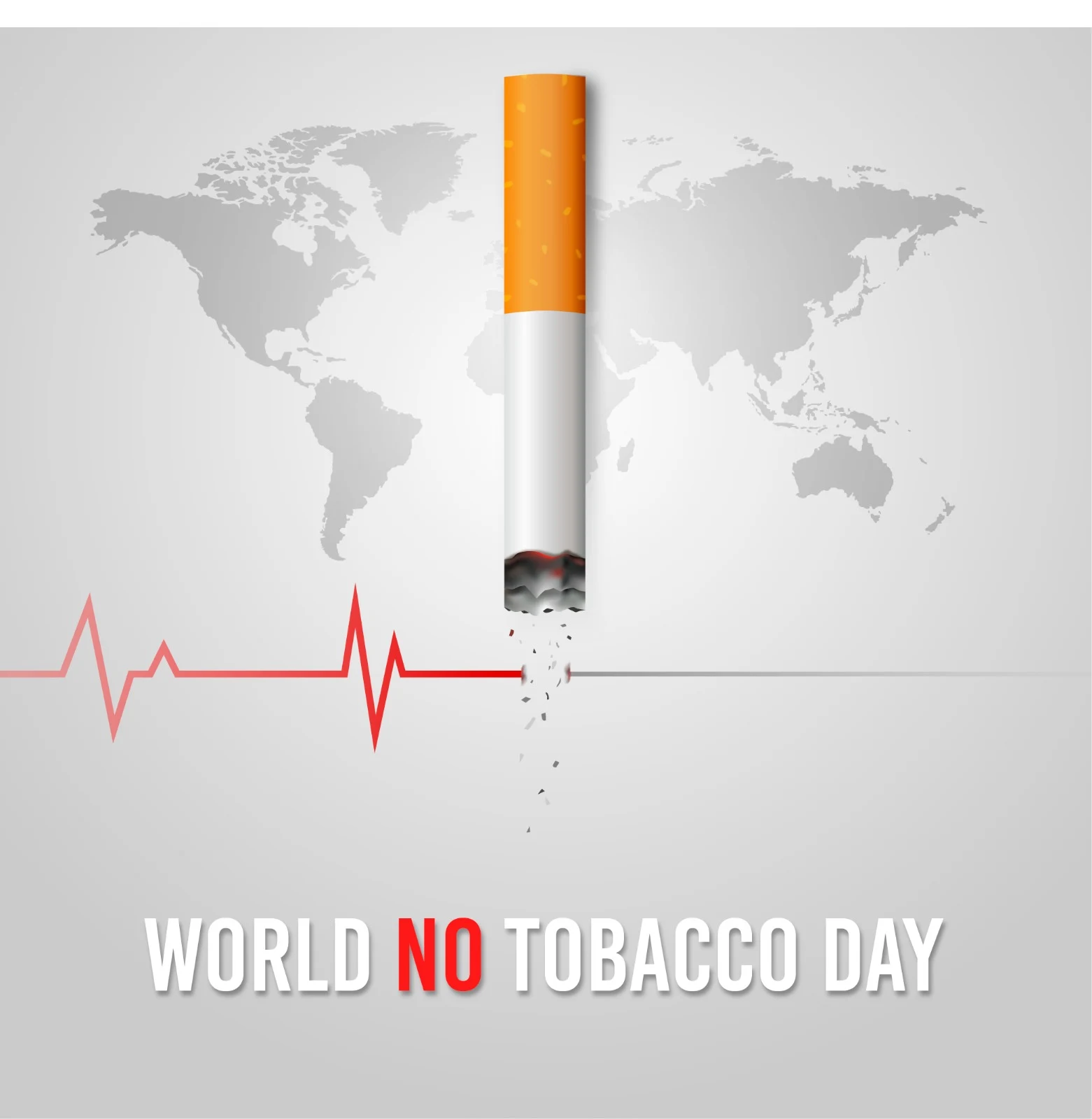
Every year, on 31st May, World No Tobacco Day is observed globally to raise awareness about the devastating health impact of tobacco use. While smoking has long been linked with lung diseases and cancer, the reality today is far more alarming as the World Health Organisation and many other leading medical and scientific bodies have found that use of tobacco in any form affects nearly every organ of the body and continues to remain one of the leading preventable causes of death worldwide.
In India, the problem extends beyond cigarettes. Bidis, chewing tobacco, gutkha, khaini, vaping products, and passive smoking are all contributing to a growing epidemic of chronic illnesses. In cities like Kolkata, doctors are witnessing an increasing number of younger patients suffering from tobacco-related complications, ranging from heart disease and stroke to oral cancer and chronic respiratory disorders.
Tobacco smoke contains more than 7,000 chemicals, many of which are toxic and carcinogenic. Nicotine, the addictive component in tobacco, not only creates dependency but also damages blood vessels, increases blood pressure, and strains the heart. Scientists have found that nicotine as a substance is even more addictive than narcotics like cocaine. What makes nicotine even more dangerous is that it costs just a fraction of narcotics and is easily available at a corner shop.
The impact of tobacco use is often gradual, making the damage difficult to detect until serious illness develops. Some of the major tobacco-related illnesses include lung diseases & breathing disorders, cancer, heart diseases & stroke, besides having an impact on mental and emotional health.
1. Lung Diseases and Breathing Disorders
Smoking remains the leading cause of:
- Chronic Obstructive Pulmonary Disease (COPD)
- Chronic bronchitis
- Emphysema
- Asthma aggravation
- Recurrent lung infections
Many smokers ignore persistent cough, breathlessness, or chest tightness until lung function is severely compromised. Pulmonologists are increasingly seeing patients in their 30s and 40s with advanced respiratory conditions due to prolonged smoking or vaping habits.
2. Cancer
Tobacco use is linked to cancers of:
- Lung
- Mouth and tongue
- Throat and larynx
- Oesophagus
- Stomach
- Pancreas
- Bladder
- Kidney
Smokeless tobacco products, widely consumed across eastern India, significantly increase the risk of oral cancer and symptoms such as white patches in the mouth, difficulty in swallowing, persistent mouth ulcers, or voice changes should never be ignored.
3. Heart Disease and Stroke
Smoking damages arteries and accelerates plaque formation, increasing the risk of:
- Heart attacks
- Coronary artery disease
- Peripheral vascular disease
- Stroke
Even passive smoking can increase cardiovascular risk. Cardiologists often stress that quitting smoking is one of the most effective preventive measures for heart health.
4. Impact on Mental and Emotional Health
While many people use tobacco as a coping mechanism for stress, nicotine addiction can worsen anxiety, mood instability, sleep disturbances, and dependency-related behavioural issues. Quitting tobacco often requires both medical and psychological support.
The recent cause in rising concern has been around vaping, which is marketed among young adults as a “safer alternative” to cigarettes. Medical evidence, however, reveals that vaping can be similarly damaging to the lungs, expose users to harmful chemicals, and lead to nicotine addiction at an early age. The trend of flavoured vaping products among teenagers and young professionals is becoming a major public health concern.
One of the biggest challenges with tobacco-related illnesses is delayed diagnosis. Symptoms are often ignored until the disease reaches an advanced stage. Regular health screening becomes crucial for:
- Long-term smokers
- Tobacco chewers
- Passive smokers
- Individuals with family history of cancer or heart disease
Early detection significantly improves treatment outcomes, especially in cancers, respiratory diseases, and cardiac conditions.
As a
multi-specialty quaternary care institution, Desun Hospital offers integrated care for the prevention, diagnosis, and treatment of tobacco-related illnesses under one roof, as the hospital brings together specialists across:
- Pulmonology
- Oncology
- Cardiology
- Critical Care
- ENT
- Maxillofacial Surgery
- Gastroenterology
- Psychology & Behavioural Support
Expert Opinion:-
“Smoking and tobacco use continue to be among the leading causes of preventable lung diseases worldwide. What makes tobacco especially dangerous is that the damage often develops silently over time, affecting the lungs, heart, and overall respiratory health long before noticeable symptoms appear. Tobacco consumption significantly increases the risk of chronic obstructive pulmonary disease (COPD), lung infections, reduced lung function, and lung cancer. Quitting tobacco at any stage can greatly improve respiratory health and quality of life. On this World No Tobacco Day, it is important to raise awareness about prevention, early screening, and the long-term benefits of a tobacco-free lifestyle. At Desun Hospital, we emphasize preventive pulmonology, early diagnosis, and comprehensive respiratory care to help individuals protect their lungs and lead healthier lives.”
-Dr. Madhu Priya
Consultant Pulmonologist
Desun Hospital, Kolkata
Advanced diagnostic and treatment facilities available at Desun Hospital help in timely intervention for complex tobacco-related diseases. From
cancer screening and respiratory evaluation to cardiac care and rehabilitation, patients can access multidisciplinary treatment tailored to their condition.
The hospital is also actively involved in public awareness initiatives, preventive health programs, and community engagement activities aimed at encouraging tobacco cessation and healthier lifestyles.
Quitting tobacco use maybe hard for most people but it is crucial to stop using immediately because it is never too late. As studies have found out, the body begins healing within hours of quitting tobacco. Over time, lung function improves, risk of heart disease reduces, risk of cancer gradually declines, breathing becomes easier, and energy levels improve. Medical guidance, counselling, nicotine replacement therapy, and family support can significantly improve success rates for quitting.
World No Tobacco Day is not just a symbolic observance, it is a reminder that tobacco addiction is a preventable health crisis. Awareness, early diagnosis, and timely medical intervention can save lives. Healthcare institutions, families, schools, workplaces, and communities all have a role to play in creating a tobacco-free future. The first step often begins with a simple decision: to quit today before tobacco decides the future of one’s health.
 90 5171 5171