Why Do Young Indians Get Strokes – Risk Factors You Can Control Today
August 21, 2026
 Brain Stroke
 among younger Indians are on a rise and little above 10% of the brain stroke victims are younger people between 18-44 years of age, Uncontrolled diabetes, high blood pressure, lack of sleep, work stress, not healthy lifestyle, high sugar and sodium content in diet and stress even in personal life is contributing to high number of brain stroke cases.
Data from the Indian Council of Medical Research (ICMR) National Stroke Registry Programme reveals that approximately 13.8% of stroke cases (roughly 1 in 7 patients) occur in young adults aged 18 to 44.
Key Findings of the Study
- Age Distribution: In most cases the older generation if affected by stroke but the numbers are on rise among younger generation between 18-44 years of age among both genders.
- Gender Split: Men make the majority a little over 63% and women make around 36%. Higher addiction rate of alcohol and tobacco smoking contribute towards higher percentage among men.
- Leading Risk Factors: 74% of people who had brain stroke was suffering from Hypertension or high blood pressure, tendency of sudden rise of blood pressure, 27% of the patients have diabetes or uncontrolled blood sugar levels. Hypertension and diabetes are major catalysts in increasing risk of brain stroke.
- Hospital Arrival Delays: Nearly 40% (2 in 5 patients) arrive at a hospital more than 24 hours after stroke symptoms begin, vastly lowering survival and recovery rates. It is always best to take the stroke patient immediately to an hospital with emergency hospital admission facility and brain stroke management facility.
Primary Symptoms and Prevention
- Common Signs: Watch for sudden motor weakness or paralysis (74.8%), speech slurring or difficulty (51.2%), facial drooping, and sudden severe headaches.
- The Golden Hour: Getting medical help within the first 60 minutes prevents massive permanent brain damage.
- Prevention Strategies: Routine blood pressure checks starting at age 18, reducing dietary salt, quitting tobacco, managing blood sugar levels, taking adequate rest , healthy diet , stress management and exercising regularly significantly lower individual risk.
Statistics & Burden
- Demographic Shift: Up to 15%–25% of stroke cases in Urban India occur in individuals under the age of 45 to 50.
- Disability Impact: About 30% to 40% of young survivors remain functionally dependent or disabled during their most economically productive years.
- The Golden Hour: Only about 20% of stroke victims reach the hospital within the crucial 60-minute window, when emergency interventions are most effective.
Core Reasons & Risk Factors
- Hypertension: Drives up to 75% of young stroke incidents, frequently going undiagnosed or untreated due to a lack of routine screening.
- Self-medication: Suddenly stopping blood pressure medication without consulting doctor or even containing inadequate dosage over time
- Metabolic Conditions: Early-onset Type 2 diabetes and high lipid profiles (dyslipidaemia) damage and narrow vascular walls.
- Substance Abuse: Heavy smoking, tobacco chewing, vaping, high alcohol drinking, and recreational drug use sharply constrict blood vessels and spike pressure.
- Unique Medical Causes: Cerebral venous sinus thrombosis (CVST), congenital heart defects, and pregnancy-related complications.
- Unhealthy body weight: High body weight or obesity also contributes to risk.
- Unhealthy diet: Too much and frequent junk food consumption that raise sodium and sugar level in blood and other trigger other imbalances are common causes that indirectly cause health issues that may lead to increased risk of brain stroke.
- Stress: Stress at work and relationship stress contribute to risk factors.
Lifestyle, Diet & Work Pressure
- Sedentary Habits: Long hours sitting at desk jobs or computer setups without physical exercise.
- Poor Nutrition: High reliance on ready to eat, junk food, processed junk foods rich in sodium, sugar, and trans fats.
- Sleep Deprivation: Chronic lack of sleep and erratic rest cycles disrupt autonomic nervous system regulation and blood pressure stability.
Preventive Care
Preventative care is the most effective shield against early-onset stroke, as up to
80% of premature strokes are entirely preventable through timely screening and lifestyle modification.
Essential Screening Guidelines for Young Adults (Ages 18–45)
Because high blood pressure and metabolic shifts often show no early symptoms, regular clinical tracking is vital.
| Health Metric |
Target Range |
Recommended Frequency |
| Blood Pressure |
Below 120/80 mmHg |
Every 6 months (or monthly if borderline) |
| Fasting Blood Sugar |
Below 100 mg/dL (HbA1c < 5.7%) |
Annually starting at age 30 (earlier if family history) |
| Lipid Profile |
LDL < 100 mg/dL; Triglycerides < 150 mg/dL |
Annually |
| Cardiac Evaluation |
Normal ECG / Echocardiogram |
Once every 2–3 years if presenting with chronic palpitations |
Actionable Lifestyle Adjustments
- Desk Job Modifications
- The 30-Minute Rule: Set a timer to stand up, stretch, or walk for 2 minutes for every 30 minutes of continuous sitting.
- Active Commuting: Choose stairs over elevators and park further away to integrate natural movement into your day.
- Ergonomic Posture: Keep your monitor at eye level to prevent neck strain, which can sometimes contribute to vertebral artery issues.
- Cardioprotective Diet Changes
- Sodium Reduction: Limit processed foods, pickles, papads, and added table salt to keep blood pressure stable.
- The Mediterranean-Indian Fusion: Prioritize whole grains (millet, oats), leafy greens, nuts (walnuts, almonds), and omega-3 sources while cutting down on refined flour (maida) and deep-fried snacks.
- Hydration: Drink 2.5 to 3 litres of water daily to maintain optimal blood volume and circulation.
- Stress & Sleep Hygiene
- Sleep Consistency: Aim for 7–8 hours of uninterrupted sleep. Avoid digital screens for at least 45 minutes before bedtime.
- Micro-Breaks: Dedicate 5 minutes during high-stress work hours for deep diaphragmatic breathing or mindfulness to lower your heart rate.
Emergency Response: The B.E. F.A.S.T. Protocol
Recognizing a stroke early saves brain tissue. If you or a coworker exhibit any of these signs, seek emergency medical care immediately:
- B - Balance: Sudden loss of balance or coordination.
- E - Eyes: Double vision, blurred vision, or loss of sight in one eye.
- F - Face: One side of the face droops or unable to smile with expression.
- A - Arm: One arm is falling or tilting downward when both arms are raised.
- S - Speech: Slurred speech, difficulty speaking, or inability to repeat a simple sentence.
- T - Time: Call 24 hours emergency hospital number 9051715171 for Desun Hospital immediately.
Expert Opinion
“Stroke is no longer a condition that should be associated only with older adults. We are increasingly seeing younger individuals being affected, with factors such as uncontrolled blood pressure, diabetes, smoking, obesity, physical inactivity, unhealthy eating habits and prolonged stress contributing to the risk. In India, stroke prevention among young adults needs greater attention through regular health check-ups and early identification of risk factors. Most importantly, symptoms such as sudden weakness or numbness on one side, difficulty speaking, facial drooping or sudden loss of balance should never be ignored, as timely treatment can significantly influence outcomes.”
-Consultant Neurologist
-Desun Hospital, Kolkata
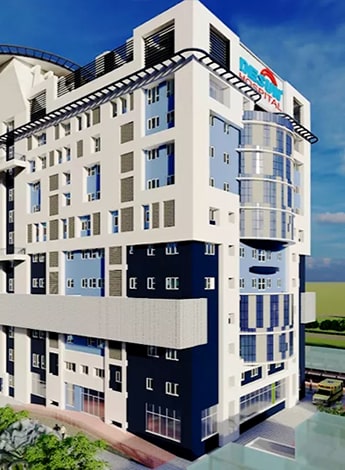
Desun Hospital Brain Stroke Emergency Care
For emergency hospital admission during brain stroke emergency in Kolkata, call their 24/7 dedicated emergency and ambulance helpline directly at
+91 90517 15171. The emergency department operates 365 days a year, even at midnight.
Stroke Emergency Infrastructure
- 24/7 Stroke Team: Dedicated stroke and chest pain specialist teams are available on-site at all hours.
- Advanced Diagnostics: Round-the-clock availability of high-speed CT scans and soundless MRI for immediate ischemic vs. haemorrhagic stroke differentiation.
- Ambulance Coordination: The Desun Ambulance Cell stays in contact with ambulance networks across Kolkata and neighbouring districts to coordinate rapid transit.
- Critical Care: The facility features steel operation theatres to minimize surgical infections and over 100 ICU beds, each equipped with an individual ventilator.
- Rooftop Helipad: India's first hospital with a rooftop helipad, allowing direct air ambulance transfer for critical trauma or out-of-station stroke patients.
Next Steps While the Ambulance is En Route
- Note the Time: Pinpoint exactly when the first B.E. F.A.S.T. symptom appeared. Doctors need this timestamp to safely administer clot-dissolving medications (thrombolysis) within the critical window.
- Do Not Offer Food or Water: Stroke often compromises a person’s ability to swallow. Giving liquids or food can cause choking or aspiration pneumonia.
- Keep the Patient Comfortable: Lay them down on their side with their head slightly elevated if they are conscious.
 90 5171 5171