When Every Second Counts: 10 Situations That Need Immediate Emergency Care
July 27, 2026
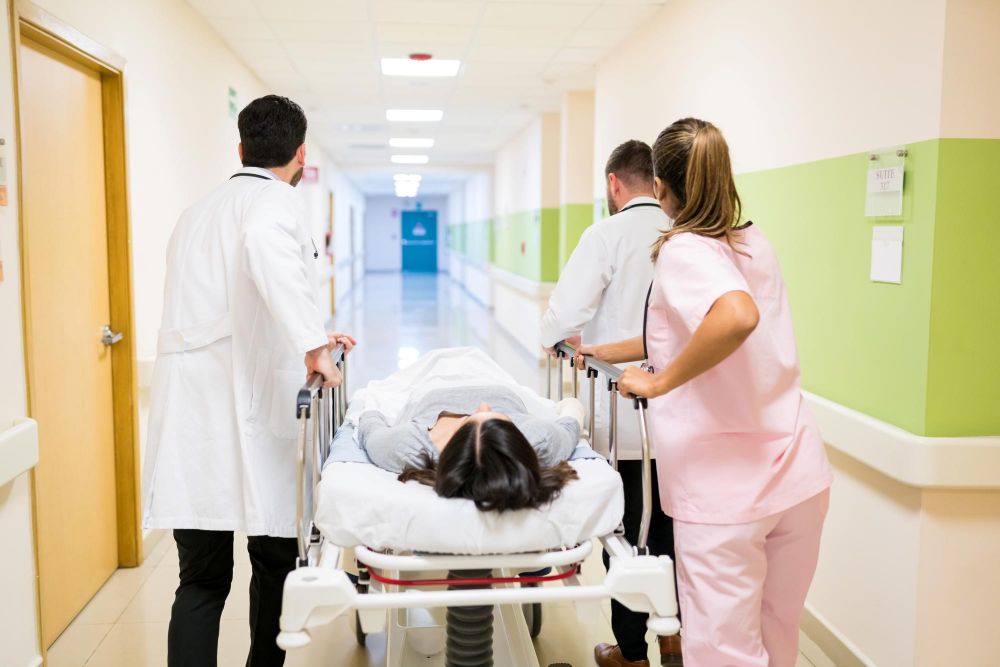
Medical emergencies often happen without warning. In many cases, the first few minutes after the onset of symptoms can make the difference between life and death, permanent disability and full recovery, or a short hospital stay and prolonged treatment.
Unfortunately, many people delay seeking
emergency medical care because they hope the symptoms will improve on their own or mistake them for minor health issues. Knowing when to act immediately can save lives.
Here are ten situations where you should seek emergency medical care without delay.
Chest Pain
Chest pain is one of the most common reasons people visit the emergency department. While not every episode is caused by a heart attack, it should never be ignored. Early treatment can significantly reduce heart damage and improve survival so it’s important to seek immediate medical attention if chest pain is accompanied by:
- Pain spreading to the left arm, shoulder, neck, jaw, or back
- Shortness of breath
- Sweating
- Nausea or vomiting
- Dizziness or fainting
- A feeling of tightness, heaviness, or pressure in the chest
Sudden Signs of Stroke
A stroke is a medical emergency in which every minute counts. Prompt treatment can help minimise brain damage and improve recovery. The most important thing is to remember the FAST warning signs:
- F – Face drooping
- A – Arm weakness
- S – Speech difficulty
- T – Time to seek emergency care immediately
Other symptoms include sudden confusion, loss of vision, severe dizziness, difficulty walking, or a sudden, severe headache.
Difficulty Breathing
If breathing becomes difficult or the person cannot speak in full sentences, emergency care is essential. Severe shortness of breath should never be ignored. It may indicate:
- Asthma attack
- Severe allergic reaction
- Pneumonia
- Heart failure
- Pulmonary embolism
- Chronic lung disease exacerbation
Severe Trauma or Major Accidents
Road traffic accidents, falls from height, workplace injuries, and sports-related trauma can result in serious internal injuries even if external wounds appear minor. Rapid assessment and treatment can prevent life-threatening complications.
It’s crucial to seek immediate medical attention for:
- Heavy bleeding
- Suspected fractures
- Head injuries
- Neck or spinal injuries
- Loss of consciousness
- Severe abdominal pain after trauma
Uncontrolled Bleeding
Bleeding that does not stop after applying firm pressure for several minutes requires urgent medical care. Excessive blood loss can quickly lead to shock, making timely treatment critical.
Loss of Consciousness or Seizures
A person who suddenly becomes unconscious or experiences a seizure should be evaluated immediately. If the seizure lasts longer than five minutes or multiple seizures occur without recovery, immediate emergency treatment is essential.
Emergency assessment is necessary to identify potentially serious causes such as:
- Stroke
- Brain injury
- Low blood sugar
- Epilepsy
- Infections
- Poisoning
Severe Allergic Reactions
A severe allergic reaction (anaphylaxis) can develop within minutes after exposure to certain foods, medications, insect stings, or other allergens. Anaphylaxis can become life-threatening very quickly and requires immediate treatment. Warning signs of an allergic reaction include:
- Swelling of the lips, tongue, or throat
- Difficulty breathing
- Wheezing
- Rash or hives
- Sudden dizziness
- Collapse
Severe Burns
Early burn management helps reduce complications and supports better healing. Burn injuries require emergency evaluation when they:
- Cover a large area of the body
- Affect the face, hands, feet, genitals, or major joints
- Result from chemicals or electricity
- Cause deep tissue damage
- Produce extensive blistering
Sudden Severe Abdominal Pain
If abdominal pain is severe, persistent, or accompanied by fever, vomiting, fainting, or blood in stool or vomit, emergency care should not be delayed. Intense abdominal pain can signal several life-threatening conditions, including:
- Appendicitis
- Intestinal obstruction
- Gallbladder infection
- Pancreatitis
- Perforated ulcer
- Ruptured ectopic pregnancy
Sudden Changes in Mental Status
Confusion, inability to recognise family members, sudden agitation, difficulty speaking, unusual drowsiness, or inability to wake someone normally may indicate serious medical conditions and immediate medical evaluation is essential, particularly for cases such as:
- Stroke
- Brain infection
- Severe infection (sepsis)
- Low oxygen levels
- Low blood sugar
- Drug overdose
What Should You Do During a Medical Emergency?
While waiting for medical help, it’s essential to stay calm and call for emergency assistance immediately. Do not attempt to drive yourself if symptoms are severe. If you are rushing a patient to a healthcare facility, keep the patient comfortable and monitor breathing. Do not give food, drink, or medication unless advised by a healthcare professional. If the person becomes unconscious and is not breathing, begin CPR, only if you are trained to do so. Quick action can significantly improve outcomes.
Why Immediate Emergency Care Matters
Emergency departments are equipped to diagnose and manage life-threatening conditions rapidly. They provide immediate access to emergency physicians, specialised nurses, advanced imaging, laboratory services, intensive care support, operating theatres, and life-saving interventions—all under one roof. Delaying treatment can increase the risk of complications, permanent disability, and even death.
Expert Opinion
"Medical emergencies rarely come with a warning. Knowing the signs that require immediate medical attention can make the difference between life and death. Symptoms such as severe chest pain, sudden weakness or difficulty speaking, breathing difficulties, uncontrolled bleeding, seizures, major injuries, or loss of consciousness should never be ignored. Reaching an emergency department without delay allows timely diagnosis and treatment, significantly improving the chances of recovery and reducing the risk of long-term complications. When every second counts, acting quickly can save a life."
Consultant Emergency Medicine
Desun Hospital, Kolkata
Emergency Care at Desun Hospital
At Desun Hospital, our
Emergency Department is designed to deliver rapid, comprehensive care for medical, surgical, cardiac, neurological, trauma, and paediatric emergencies. Our experienced emergency physicians, critical care specialists, nurses, and multidisciplinary teams are available round the clock to respond swiftly when every second matters.
Supported by advanced diagnostic facilities, intensive care services, emergency surgery, and specialist backup across multiple disciplines, we ensure that patients receive timely, coordinated, and evidence-based treatment during critical situations.
Medical emergencies rarely give advance warning. Recognising the signs of a life-threatening condition and seeking immediate medical attention can make all the difference. Never ignore symptoms such as chest pain, stroke warning signs, severe breathing difficulty, uncontrolled bleeding, or sudden loss of consciousness.
When every second counts, prompt emergency care saves lives. At
Desun Hospital, we are committed to providing fast, expert, and compassionate emergency care whenever you need it most.
 90 5171 5171