Seasonal Allergies and Respiratory Health: Expert Insights from Desun Hospital
June 25, 2026
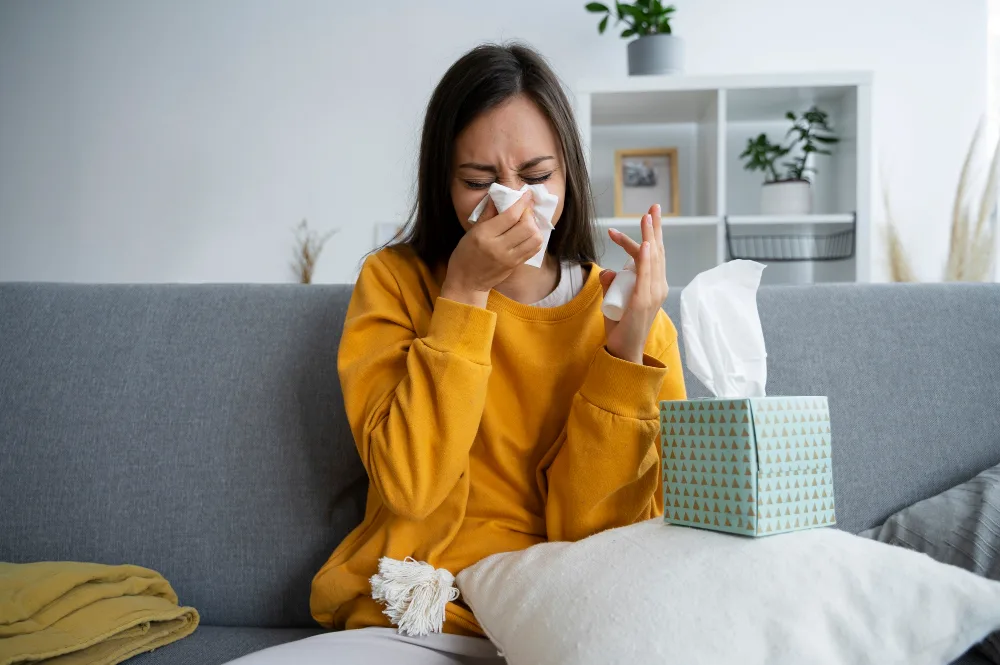
Seasonal changes bring relief from extreme weather, but they also usher in a surge of allergens that can affect respiratory health. Pollen, dust mites, mould spores, air pollution, and fluctuating temperatures often trigger allergic reactions and breathing difficulties, especially among children, the elderly, and individuals with pre-existing respiratory conditions.
Understanding seasonal allergies and taking timely preventive measures can help reduce symptoms and improve quality of life.
What Are Seasonal Allergies?
Seasonal allergies occur when the immune system overreacts to substances in the environment that are typically harmless.
Common seasonal allergens include:
- Pollen from trees, grasses, and weeds
- Dust and dust mites
- Mould spores, especially during damp weather
- Airborne pollutants and particulate matter
- Pet fur and indoor allergens
When exposed to these allergens, the body releases chemicals such as histamine, leading to symptoms that affect the nose, eyes, throat, and lungs.
Common Symptoms to Watch For
Seasonal allergies can present in different ways, including:
- Frequent sneezing
- Runny or blocked nose
- Itchy nose, throat, or eyes
- Watery eyes
- Persistent cough
- Wheezing
- Shortness of breath
- Chest tightness
- Fatigue and disturbed sleep
While many symptoms may seem mild initially, they can significantly impact daily activities and overall respiratory health if left unmanaged.
How Seasonal Allergies Affect Respiratory Health
For people with asthma, chronic bronchitis, COPD, or other respiratory disorders, seasonal allergies can worsen existing conditions and trigger flare-ups.
Allergic Rhinitis
Commonly known as hay fever, allergic rhinitis causes inflammation of the nasal passages, leading to congestion, sneezing, and discomfort.
Asthma Exacerbations
Airborne allergens can inflame the airways, increasing the risk of asthma attacks and breathing difficulties.
Sinus Problems
Persistent nasal inflammation can block sinus drainage pathways, leading to sinus infections and headaches.
Increased Risk of Respiratory Infections
Inflamed airways may become more vulnerable to viral and bacterial infections, particularly during seasonal transitions.
Who Are at Higher Risk?
Certain groups are more susceptible to seasonal allergy-related respiratory problems:
- Children
- Senior citizens
- Individuals with asthma/COPD
- People with a family history of allergies
- Those exposed to high levels of pollution or occupational dust
- Individuals with weakened immunity
Expert Tips to Protect Your Respiratory Health
Monitor Allergen Levels
Keep track of pollen counts and air quality reports, especially if you have known allergies or asthma.
Keep Indoor Air Clean
Use air purifiers, clean air-conditioning filters regularly, and minimise dust accumulation in the home.
Maintain Personal Hygiene
Wash hands, face, and hair after spending time outdoors to remove allergens.
Keep Windows Closed During High-Pollen Periods
Limiting exposure to outdoor allergens can significantly reduce symptoms.
Stay Hydrated
Adequate hydration helps keep airways moist and may reduce irritation.
Follow Prescribed Treatment Plans
Patients with asthma or COPD should continue their medications as advised and keep rescue inhalers readily available.
Avoid Self-Medication
Persistent symptoms should be evaluated by a healthcare professional to ensure appropriate diagnosis and treatment.
When Should You See a Doctor?
Seek medical advice if you experience:
- Persistent cough lasting more than two weeks
- Recurrent wheezing
- Difficulty breathing
- Frequent asthma attacks
- Symptoms that interfere with daily activities or sleep
- Recurrent sinus infections
Early evaluation can help identify underlying allergies and prevent complications.
Expert Opinion
"Seasonal allergies are often underestimated because they are not life-threatening in most cases, but they can significantly affect a person's quality of life, sleep, productivity, and overall well-being. Allergic reactions occur when the immune system overreacts to environmental triggers such as pollen, dust, mold spores, or seasonal changes. Early recognition of symptoms and appropriate management can help prevent complications such as sinus infections, worsening asthma, and chronic nasal inflammation.
People who experience recurrent sneezing, nasal congestion, itchy eyes, or breathing difficulties during specific times of the year should not ignore these symptoms. Identifying triggers, minimizing exposure, and seeking timely medical advice can make a substantial difference. With proper treatment and preventive measures, most individuals can effectively control seasonal allergies and continue their daily activities comfortably."
Comprehensive Respiratory Care at Desun Hospital Kolkata
At Desun Hospital Kolkata, our
team of pulmonologists, allergy specialists, and respiratory care experts provides comprehensive evaluation and management of allergic and respiratory conditions. Advanced diagnostic facilities, personalised treatment plans, and preventive care strategies help patients breathe easier throughout the year.
Breathe Easy Through Every Season
Seasonal allergies are common, but they should not be ignored. Timely diagnosis, preventive measures, and expert medical guidance can help protect respiratory health and reduce the risk of complications. If allergy symptoms persist or breathing difficulties develop, seeking professional care can make all the difference.
Your lungs work tirelessly every day. Give them the care they deserve.
 90 5171 5171