Is It Acidity or a Silent Heart Attack? How to Spot Emergencies Fast
October 13, 2026
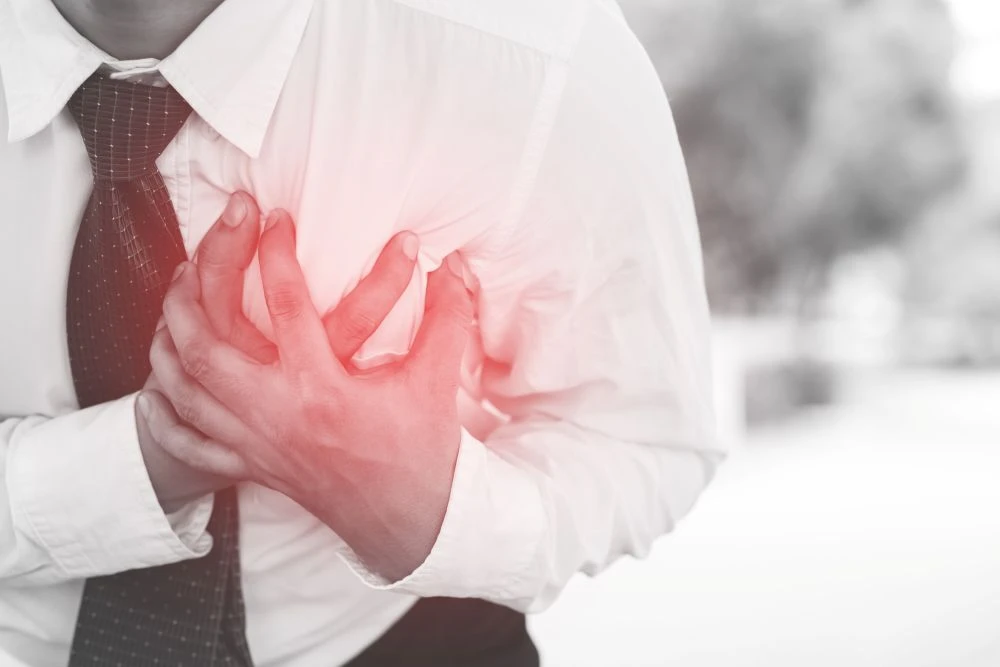
After a heavy festive meal, a burning sensation in the chest or upper abdomen can easily be blamed on acidity. While it often may actually be acid reflux, a serious issue is that heart attack symptoms can sometimes resemble indigestion or acidity.
This is particularly important for women, in whom
heart attack symptoms may sometimes be less typical. The American Heart Association warns that women may experience symptoms such as shortness of breath, nausea, unusual tiredness, back or jaw discomfort and stomach discomfort along with, or sometimes without, classic chest pain.
But how do you tell the difference? The safest answer is, sometimes you can’t at home. Symptoms of indigestion can overlap considerably with heart-related chest discomfort.
What does acidity usually feel like?
Acid reflux occurs when stomach contents move back into the oesophagus. This may cause:
- Burning behind the breastbone
- A sour or acidic taste
- Regurgitation
- Symptoms after meals
- Symptoms that may worsen when lying down
What does a heart attack feel like?
A heart attack can cause pressure, squeezing, fullness, heaviness or pain in the centre of the chest. The discomfort may spread to the:
- Arm or arms
- Back
- Neck
- Jaw
- Shoulder
- Upper abdomen
Other symptoms may also can include:
- Breathlessness
- Cold sweating
- Nausea or vomiting
- Light-headedness
- Unusual weakness or fatigue
Women may also experience indigestion-like discomfort, anxiety, upper-back pressure or stomach symptoms.
A useful rule: don’t try to “diagnose” chest pain yourself
If you have new, unexplained chest discomfort and are unsure whether it is acidity or a heart problem, seek emergency medical attention immediately.
Cardiologists advise getting medical help when you cannot distinguish heartburn from potentially serious chest pain, instead of waiting for the pain to become unbearable, since some heart attacks begin with relatively mild symptoms and may come and go.
Women need to be particularly alert
Many women assume that a heart attack must cause dramatic crushing chest pain, which is not always the case. A woman experiencing sudden unexplained breathlessness, nausea, extreme fatigue, back or jaw discomfort, sweating or upper-abdominal discomfort should not automatically assume that she has acidity, especially if she has cardiovascular risk factors.
Who should be especially careful?
Heart attack risk is influenced by several factors and having one or more risk factors does not mean that chest discomfort is necessarily a heart attack, although this makes prompt assessment even more important.
Common risk factors are:
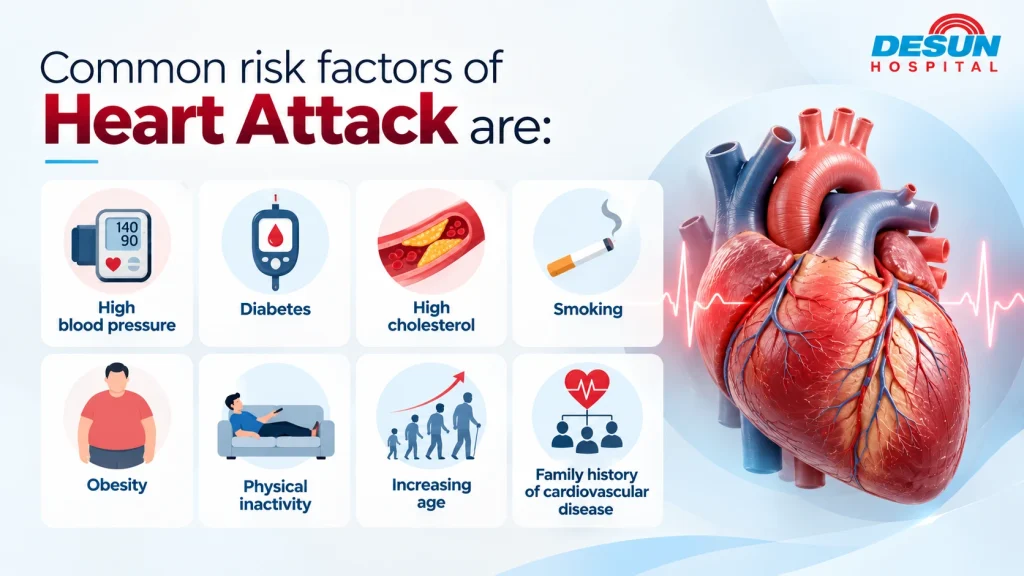
- High blood pressure
- Diabetes
- High cholesterol
- Smoking
- Obesity
- Physical inactivity
- Increasing age
- Family history of cardiovascular disease
What should you do in an emergency?
If you suspect a heart attack, stop what you are doing and seek emergency medical care immediately. Do not drive yourself if you are seriously unwell. Get emergency medical assistance and follow the instructions of emergency professionals. Time matters because restoring blood flow to the heart as early as possible can limit heart muscle damage.
Don’t let the festive season create false reassurance
A heavy meal can certainly trigger acidity but “I just ate something oily” is not enough reason to dismiss unexplained chest discomfort.
Expert Opinion
“Heart attack symptoms can sometimes resemble acidity, indigestion or gastric discomfort, making them easy to overlook. Warning signs may include pressure or discomfort in the chest, pain spreading to the arm, back, neck or jaw, breathlessness, cold sweats, nausea or unexplained weakness. Some people, particularly women, older adults and people with diabetes, may experience less typical symptoms. It is important not to assume that chest discomfort is merely acidity. If a heart attack is suspected, seek emergency medical care immediately rather than waiting for symptoms to subside or trying to treat them with antacids. Prompt diagnosis and treatment can be lifesaving.”
Consultant – Interventional Cardiologist
Desun Hospital, Kolkata
The Desun takeaway
When it comes to unexplained chest discomfort, it is better to be evaluated unnecessarily than to miss a heart attack. If you are unsure whether the symptoms are acidity or a cardiac emergency, treat them seriously and seek immediate medical assessment
 90 5171 5171