Hypertension and Heart Disease: The Silent Connection
May 18, 2026

Hypertension, commonly known as high blood pressure, has quietly emerged as one of the biggest health threats in India, and West Bengal is no exception. Often called the “silent killer", hypertension usually develops without noticeable symptoms, yet it significantly increases the risk of serious cardiovascular diseases such as heart attack, heart failure, stroke, and kidney disease.
In recent years, doctors across West Bengal have observed a worrying rise in hypertension among both urban and rural populations. Changing lifestyles, dietary habits, stress, sedentary routines, tobacco consumption, and rising obesity are contributing to a growing burden of heart disease in the state.
Understanding Hypertension
Blood pressure refers to the force exerted by blood against the walls of arteries. When this pressure remains consistently high, the heart has to work harder to pump blood, gradually damaging blood vessels and vital organs. A normal blood pressure level is generally considered around 120/80 mmHg. Persistent readings above 140/90 mmHg are considered hypertension.
Hypertension can damage arteries silently over many years, making them stiff and narrow. This reduced elasticity affects blood flow to the heart and brain, creating the foundation for cardiovascular disease.
How Hypertension leads to Heart Disease
The relationship between hypertension and heart disease is direct and scientifically well established.
When blood pressure remains uncontrolled for prolonged periods:
- The heart muscle becomes thicker and weaker
- Coronary arteries narrow due to plaque deposition
- The risk of heart attack increases
- Heart rhythm abnormalities may develop
- The chances of stroke and heart failure rise significantly
Hypertension is considered one of the strongest modifiable risk factors for cardiovascular disease worldwide. Studies from India indicate that poor blood pressure control contributes substantially to deaths from coronary artery disease and stroke.
The West Bengal Scenario
West Bengal is witnessing a steady increase in non-communicable diseases, especially hypertension and heart disease. Urban centres such as Kolkata, Howrah, and Siliguri and rapidly growing semi-urban districts are experiencing lifestyle changes that increase cardiovascular risk.
Recent studies from West Bengal, cited by credible medical and scientific journals, have shown alarming trends. One urban study reported hypertension prevalence around 33% among adults. Rural studies from West Bengal have found high levels of both hypertension and pre-hypertension, in some areas exceeding 50% prevalence.
Research among young adults in Midnapore showed a high prevalence of pre-hypertension, indicating that cardiovascular risk is beginning much earlier in life. This growing burden reflects a major epidemiological shift where lifestyle-related diseases are replacing infectious diseases as leading health concerns.
Why West Bengal Faces High Risk
Several region-specific factors contribute to hypertension and heart disease in West Bengal.
- High Salt Consumption
Traditional Bengali diets often include salted snacks, pickles, fried foods, processed snacks, and extra table salt. Excessive sodium intake is strongly linked to elevated blood pressure. Recent Indian studies show average salt consumption in India is more than double the limit recommended by the WHO.
Frequent consumption of fried snacks, even common ones such as chanachur/bhujia, processed foods, pickles, fried street foods, and salted fish preparations may significantly increase cardiovascular risk over time.
- Sedentary Urban Lifestyle
Modern work culture leading to reduced physical activity, long commuting hours, and screen-dependent lifestyles have contributed to obesity and hypertension, especially among younger professionals in cities like Kolkata.
- Stress and Mental Health Burden
Economic pressure, competitive work environments, academic stress, and lack of sleep are increasingly affecting blood pressure control among both younger and middle-aged adults.
- Tobacco Consumption
Smoking and smokeless tobacco remain common across many parts of West Bengal. Tobacco damages blood vessels and dramatically increases the risk of heart attack and stroke in hypertensive patients.
- Diabetes and Obesity
West Bengal is also witnessing a rise in diabetes and obesity, both of which frequently coexist with hypertension and amplify cardiovascular risk.
Rural Areas Are No Longer Protected
Earlier, heart disease was largely considered an urban problem. However, this pattern is rapidly changing. Improved road connectivity, packaged food penetration, reduced physical labour, and lifestyle shifts have increased hypertension prevalence even in rural districts of West Bengal. Studies suggest the urban-rural gap in hypertension is narrowing across India. Unfortunately, awareness and treatment rates remain lower in rural populations, leading to delayed diagnosis and complications.
Warning Signs That Should Not Be Ignored
Hypertension itself may not produce symptoms, but associated heart disease may present as:
- Chest pain or heaviness
- Breathlessness
- Fatigue
- Swelling of feet
- Palpitations
- Sudden dizziness
- Severe headache
- Weakness or speech difficulty
Regular health check-ups are therefore essential, especially after the age of 30.
Prevention: The Most Powerful Medicine
The good news is that hypertension and heart disease are largely preventable.
Key preventive measures include:
- Reducing salt intake
- Eating more fruits and vegetables
- Limiting fried and processed foods
- Regular exercise
- Maintaining healthy body weight
- Quitting smoking and tobacco
- Limiting alcohol consumption
- Managing stress
- Sleeping adequately
- Regular blood pressure monitoring
Even small lifestyle changes can significantly reduce cardiovascular risk.
Importance of Early Screening
One of the biggest challenges in West Bengal is that many people remain unaware that they have hypertension. Regular community screening camps, workplace health programmes and preventive health check-ups are key to detect high blood pressure early. Early diagnosis allows for prompt treatment and prevents permanent damage to the heart and blood vessels.
Hypertension and heart disease are emerging public health problems in West Bengal. With our lifestyle changing, stress increasing, unhealthy eating habits and less physical activity, cardiovascular diseases are affecting people at a younger age than before. However, awareness, early detection, lifestyle change and timely medical care can dramatically reduce the disease burden.
In a state known for its rich culinary and cultural traditions, the importance of balancing lifestyle and preventive health practices has never been more critical. It is important to control blood pressure before the silent damage becomes irreversible to protect the heart.
Expert Opinion:-
“Hypertension is often called a silent killer because many people remain unaware of the condition until serious complications such as heart attack, stroke, or heart failure occur. Regular blood pressure monitoring, healthy lifestyle habits, and timely medical intervention are essential to prevent long-term cardiovascular damage. At Desun Hospital, we focus on early diagnosis, preventive cardiology, and advanced heart care to help patients manage hypertension and protect overall heart health.”
-Dr. Avik Karak
Consultant Interventional Cardiologist
Desun Hospital, Kolkata
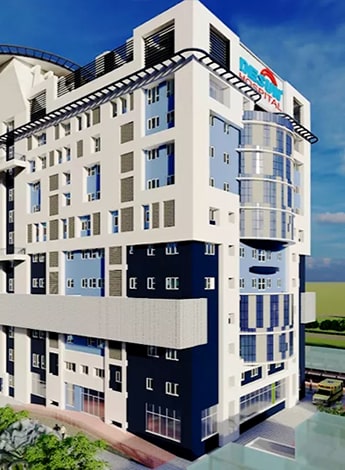
Advanced Heart Care & Hypertension Management at Desun Hospital
At Desun Hospital, comprehensive cardiac care and preventive health screening play an important role in the early detection and management of hypertension and heart disease. With experienced cardiologists, advanced diagnostic facilities, emergency cardiac support, modern Cath Lab facilities, and critical care infrastructure, the hospital provides integrated treatment for patients with high blood pressure, coronary artery disease, heart attack, stroke risk, and other cardiovascular conditions. Regular preventive health check-ups, lifestyle guidance, and timely intervention help patients reduce complications and improve long-term heart health outcomes.
- Advanced Cath Lab facilities for cardiac diagnosis and intervention
- Expert cardiologists and critical care specialists
- Preventive heart health check-up programs
- 24/7 emergency cardiac care and ICU support
- Diagnosis and management of hypertension and coronary artery disease
- Cardiac screening including ECG, Echocardiography, TMT, and imaging support
- Lifestyle and risk-factor management guidance
- Integrated treatment support for heart attack and stroke-risk patients
- Modern infrastructure for comprehensive cardiovascular care under one roof
 90 5171 5171