Hospital-Acquired Infections: What They Are and How Hospitals Prevent Them
July 25, 2026
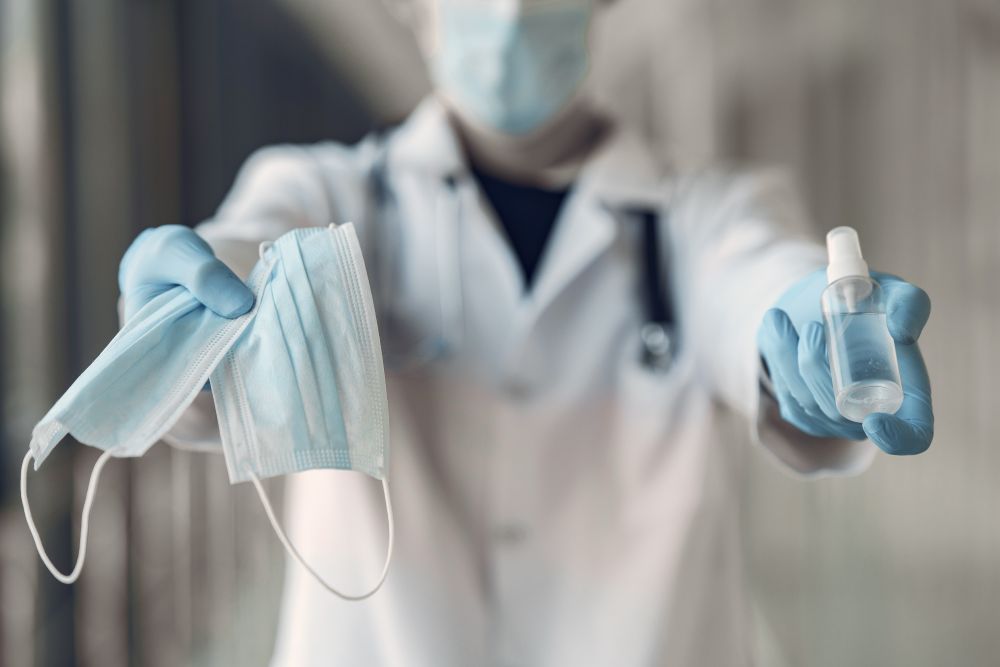
When you or a loved one is admitted to a hospital, safety is naturally one of the biggest concerns. Modern hospitals work tirelessly to provide effective treatment while maintaining the highest standards of infection prevention. One important aspect of patient safety is preventing hospital-acquired infections. Although the term may sound alarming, understanding what these infections are and how hospitals prevent them can help patients and families feel more confident during their healthcare journey.
What Are Hospital-Acquired Infections?
Hospital-acquired infections are infections that develop 48 hours or more after admission to a hospital or shortly after receiving healthcare services. These infections were not present or incubating when the patient was admitted.
Hospital-acquired infections can affect patients receiving treatment for various medical conditions, especially those who require surgery, intensive care, prolonged hospital stays, or medical devices such as urinary catheters, ventilators, or intravenous lines.
Common Types of Hospital-Acquired Infections
Urinary Tract Infections (UTIs)
Often associated with urinary catheters, these infections are among the most frequently reported healthcare-associated infections.
Surgical Site Infections (SSIs)
These occur at or near the site of surgery and may develop within days or weeks after an operation.
Bloodstream Infections (BSIs)
These infections can occur when bacteria enter the bloodstream through intravenous lines or central venous catheters.
Pneumonia
Patients using ventilators or those with weakened immunity may develop hospital-associated pneumonia.
Gastrointestinal Infections
Certain bacteria and viruses can spread within healthcare settings if strict hygiene protocols are not followed.
Who Is at Greater Risk?
While anyone can develop an infection, some individuals have a higher risk, including:
- Elderly patients
- Newborn babies
- People with diabetes
- Cancer patients undergoing chemotherapy
- Organ transplant recipients
- Patients admitted to intensive care units (ICUs)
- Individuals with weakened immune systems
- Patients requiring long-term hospitalization
How Do Hospitals Prevent Hospital-Acquired Infections?
Preventing Hospital-acquired infections requires a coordinated effort involving doctors, nurses, infection control teams, housekeeping staff, patients, and visitors. Leading hospitals follow internationally accepted infection prevention protocols to minimise risks.
Rigorous Hand Hygiene
Hand hygiene remains the single most effective way to prevent infections. Healthcare workers clean their hands before and after every patient interaction using soap and water or alcohol-based hand sanitisers.
Sterilisation of Medical Equipment
Surgical instruments and reusable medical devices undergo thorough cleaning, disinfection, and sterilisation using validated processes before every use.
Environmental Cleaning
Patient rooms, operating theatres,
ICUs, and high-touch surfaces are cleaned and disinfected regularly using hospital-grade disinfectants.
Safe Surgical Practices
Strict sterile techniques are followed during surgeries. Surgical teams wear sterile gowns, gloves, masks, and use sterilised instruments to minimise infection risk.
Appropriate Use of Antibiotics
Hospitals practise antimicrobial stewardship, ensuring antibiotics are prescribed only when necessary and in the correct dosage. This helps reduce antibiotic resistance and prevents difficult-to-treat infections.
Isolation Precautions
Patients with contagious infections may be placed in designated isolation rooms to prevent the spread of infection to other patients and healthcare workers.
Continuous Surveillance
Dedicated infection control teams continuously monitor infection rates, investigate potential outbreaks, and implement corrective measures whenever necessary.
Staff Training
Doctors, nurses, technicians, and support staff receive regular training on infection prevention practices, PPE (personal protective equipment), and updated clinical guidelines.
What Can Patients and Visitors Do?
Patients and their families also play an important role in preventing infections.
Some simple precautions include:
- Wash or sanitise hands frequently.
- Follow the healthcare team's instructions carefully.
- Avoid touching surgical wounds or medical devices unnecessarily.
- Inform healthcare providers if dressings become wet or loose.
- Avoid visiting the hospital if you have fever, cough, or other infectious symptoms.
- Follow visitor policies regarding masks and hygiene.
- Speak up if you notice that hand hygiene has been overlooked.
Healthcare providers welcome patient participation in maintaining a safe environment.
Why Infection Control Matters
A strong infection control programme is an essential indicator of quality healthcare. Effective infection prevention not only protects patients but also helps in:
- Reducing complications
- Speeding up recovery
- Shortening hospital stays
- Reducing healthcare costs
- Improving overall treatment outcomes
- Helping combat antibiotic resistance
Expert Opinion
“Hospital-acquired infections are a concern in healthcare settings worldwide, but many of them can be prevented with the right infection control practices. At Desun Hospital, we follow stringent protocols, including proper hand hygiene, sterilization of medical equipment, use of personal protective equipment (PPE), environmental cleaning, and continuous monitoring of infection control measures. Patients and their families also play an important role by maintaining hand hygiene, following medical advice, and reporting any unusual symptoms promptly. Together, we can create a safer healthcare environment and ensure the best possible outcomes for every patient.”
Consultant Infectious Disease Specialist
Desun Hospital, Kolkata
Desun Hospital’s Commitment to Patient Safety
At
Desun Hospital, patient safety is at the heart of everything we do. Being a JCI and NABH-accredited hospital, our infection control protocols are designed to minimise the risk of hospital-acquired infections while ensuring high-quality clinical care.
From strict hand hygiene practices and advanced sterilisation systems to regular environmental disinfection, continuous surveillance, and evidence-based infection control measures, our multidisciplinary teams work together to maintain a safe healing environment for every patient. We also encourage patients and their families to actively participate in infection prevention by practising good hygiene and communicating openly with our healthcare professionals.
Hospital-acquired infections are a recognised challenge across healthcare systems worldwide, but they are largely preventable through rigorous infection control practices and teamwork. Choosing a hospital that prioritises patient safety, follows stringent hygiene protocols, and continuously monitors infection prevention measures can significantly reduce the risk.
At
Desun Hospital, we remain committed to providing safe, compassionate, and high-quality healthcare, giving every patient the confidence that their well-being is our highest priority.
 90 5171 5171