FREQUENT URINATION – DIABETES OR PROSTATE PROBLEM
August 24, 2026
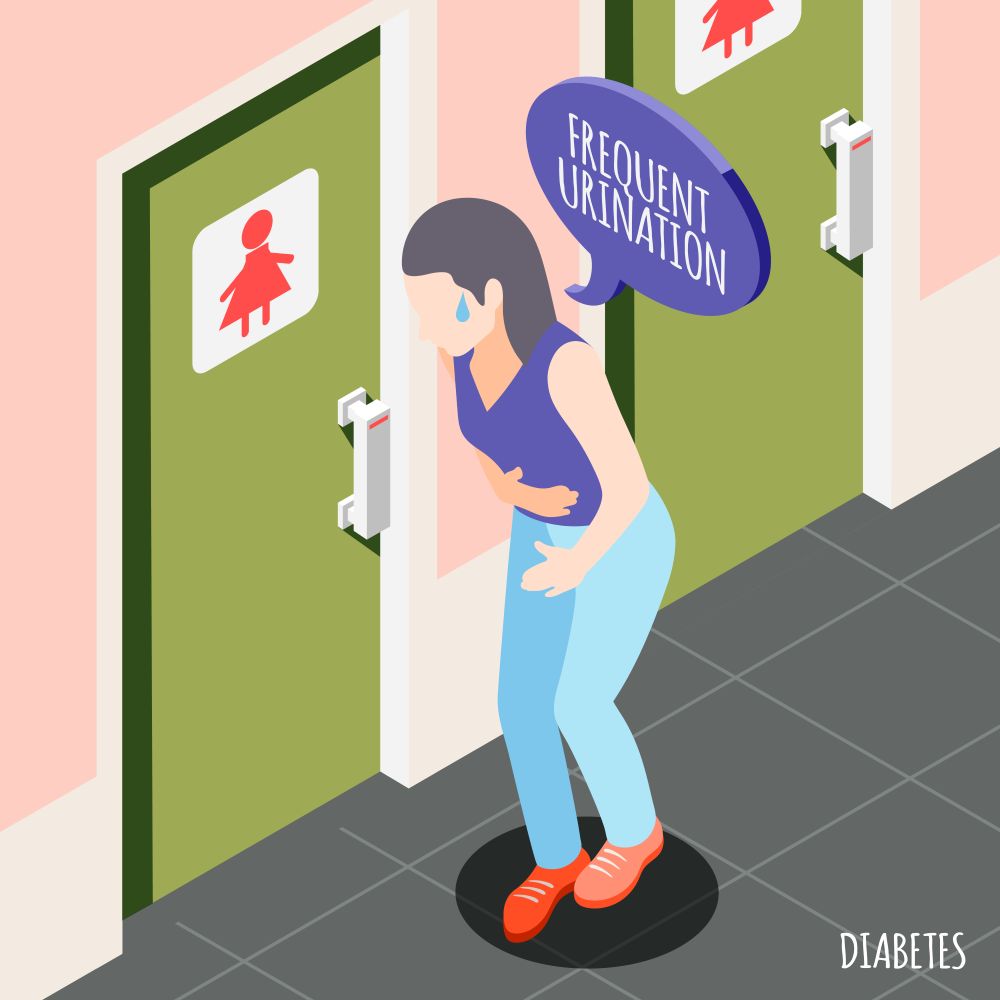
Frequent urination or more than 7 times passing urine within 24 hours regularly or over sometime is a frequent urination problem that can be a result of diabetes – uncontrolled high blood sugar levels or even people suffering from diabetes over a long period of time. Prostate issues also result in frequent urination. Urinary Tract Infection (UTIs) and other lifestyle issues that may cause some infection. High blood sugar makes the kidney to flush out excess sugar/glucose through urination, while prostate problem like enlarged among men blocks or limits urine output.
The core difference is that
diabetes increases volume of urine production (polyuria) because the body is physically trying to flush out excess glucose, whereas
prostate issues impact though low-volume, obstruction in urine release because an enlarged prostate mechanically squeezing the urethra and irritating the bladder.
Comparing Common Symptoms
| Feature |
Diabetes (Type 1 or Type 2) |
Prostate Issues (e.g., BPH) |
| Primary Mechanism |
Biological: Kidney’s filter excess glucose out, pulling high volumes of water into the bladder. |
Mechanical: Gland physically compresses the urethra and blocks the exit. |
| Urine Volume |
High volume every single time you go. |
Low volume / trickling despite a strong urge to pee. |
| The Urination Stream |
Normal, smooth, and full flowing. |
Weak, slow, or hesitant stream that may stop and start. |
| Bladder Sensation |
Relieved completely after urinating until it rapidly refills. |
Incomplete emptying; feeling like you still have to go right after finishing. |
| Signature Companion Symptoms |
Intense thirst (polydipsia) and extreme hunger (polyphagia). |
Post-stream dribbling and difficulty starting the stream. |
| Age Range |
Can develop at any age. |
Most common in men over 50. |
Can both diabetes and prostate problem exists together?
Patients’ health records shows that
not well managed
diabetes can bring in prostate issues or makes existing prostate issues worst. High blood sugar can damage the nerves around the bladder, increase inflammation, and work as a catalyst in increasing the physical growth of an enlarged prostate (BPH), leading to much more severe nighttime frequency or urination.
Normal Frequency and Quantity
- Frequency: Passing urine 6 to 7 times in a 24-hours cycle or one day.
- Quantity: Normal urine output ranges from about 1 to 2 litres per day based on standard fluid intake.
- Stay Aware: Just try to estimate if the urine output is difficult or low per episode of urine passing or little more or much more than usual or earlier. Do compare mentally with frequency and urine output and time to complete one episode or passing urine with earlier experiences. Notice the changes.
Diabetes vs. Prostate Symptoms
| Condition |
Urinary Profile |
Companion Symptoms |
| Diabetes Signs |
High volume of urine output throughout the day and night. |
• Extreme thirst
• Constant hunger
• Sudden weight loss
• Extreme tiredness |
| Prostate Issues (BPH or prostatitis) |
• Weak urine stream
• Trouble starting to pee
• Dribbling at the end of urination
• Feeling that the bladder is still full |
Typically focused on localized urinary tract discomfort and mechanical obstruction. |
Age, Gender, and Lifestyle Factors
- Age-related: Prostate enlargement (BPH) is very common in men over 50. Overactive bladder risks also rise as people grow older.
- Gender-related: Women face higher risks for UTIs and pelvic floor changes from childbirth. Men deal uniquely with prostate growth.
- Lifestyle-related: Drinking too much fluid, high intake of caffeine or alcohol, artificial sweeteners, and high stress levels.
Common Causes of Excess Urination Frequency
- Urinary tract infections (UTIs)
- Overactive bladder (OAB)
- Type 1 or Type 2 diabetes
- Enlarged prostate (Benign Prostatic Hyperplasia)
- Kidney or bladder stones
- Pregnancy
- Diuretic medications (blood thinner)
Common Medical Diagnosis
It is best to consult with specialist doctor and get medical tests done as per medical advice to save time and avoid delay that may increase the enormity of the health issue or diabetes and prostate issues.
- Urinalysis and Urine Culture: To check for infection, blood, or sugar in the urine.
- Blood Glucose / HbA1c Test: To diagnose or rule out diabetes.
- Prostate-Specific Antigen (PSA) Blood Test: To evaluate prostate health.
- Ultrasound: To check bladder emptying and prostate size.
When to See a Doctor
Consult with specialist doctor if frequent urination happens without a clear lifestyle cause, disrupts your sleep or daily life, or comes with red-flag signs like:
- Pain or burning when you pee
- Blood or cloudy colour in the urine
- Fever, chills, or lower back pain
- Sudden loss of bladder control
Expert Opinion
“Frequent urination should not always be dismissed as a normal part of ageing. While it can be linked to prostate enlargement in men, it may also be an early sign of diabetes, urinary infection or other urinary conditions. The pattern of urination, along with symptoms such as increased thirst, urgency, weak urine flow or incomplete bladder emptying, can help identify the underlying cause. If frequent urination persists, timely medical evaluation is important rather than self-diagnosing the problem.”
-Consultant Urologist
-Desun Hospital, Kolkata
Desun Hospital OPD and Medical Facilities
For evaluating frequent urination, diabetes, prostate issues, or urinary tract infections (UTIs) at Desun Hospital, we can consult specialist doctors outpatient department (OPD) clinics. Desun Hospital provides full diagnostic testing, imaging, and specialist consultations under one roof to differentiate and treat these specific conditions.
Specialist OPD Clinics at Desun
Just call at 9051715171 and the patient care person will guide you on doctor consultation based on your symptoms.
- Urology OPD: For prostate issues (BPH, prostatitis), weak urine flow, incomplete bladder emptying, and complex or recurrent UTIs.
- Endocrinology & Diabetology OPD: For diagnosing and managing Type 1 or Type 2 diabetes, high-volume urination, extreme thirst, and metabolic health.
- General Medicine OPD: For initial screenings, standard UTIs, routine urinalysis, and broad physical evaluations.
Medical & Diagnostic Facilities Available
Desun Hospital houses a 24/7 NABL-accredited laboratory and advanced imaging departments to handle all necessary tests during OPD visit.
- Urological Diagnostics: Prostate-Specific Antigen (PSA) blood tests, Uroflowmetry (to measure urine stream speed), and Pelvic/KIDNEY-URETER-BLADDER (KUB) Ultrasounds to evaluate prostate size and post-void residual urine volume.
- Diabetes Screening: Fasting Blood Sugar (FBS), Post-Prandial Blood Sugar (PPBS), and HbA1c tests to track your average blood sugar levels over three months.
- UTI Screening: Rapid Urine Routine & Microscopy (Urinalysis) to check for pus cells or blood, and Urine Culture & Sensitivity tests to target specific bacterial infections.
Desun Hospital OPD Details
- OPD Timings: While the main hospital is open 24/7 for emergencies, specific specialist OPD timings vary by doctor. It is highly recommended to book a slot in advance as patients have noted that appointment scheduling can experience wait times.
- Booking: The 24 Hours helpline is +91 90517 15171 or visit the Desun Hospital Website to schedule an outpatient consultation.
 90 5171 5171