Drops vs Vaccines: Simple vaccination myths every parent should stop believing
October 6, 2026
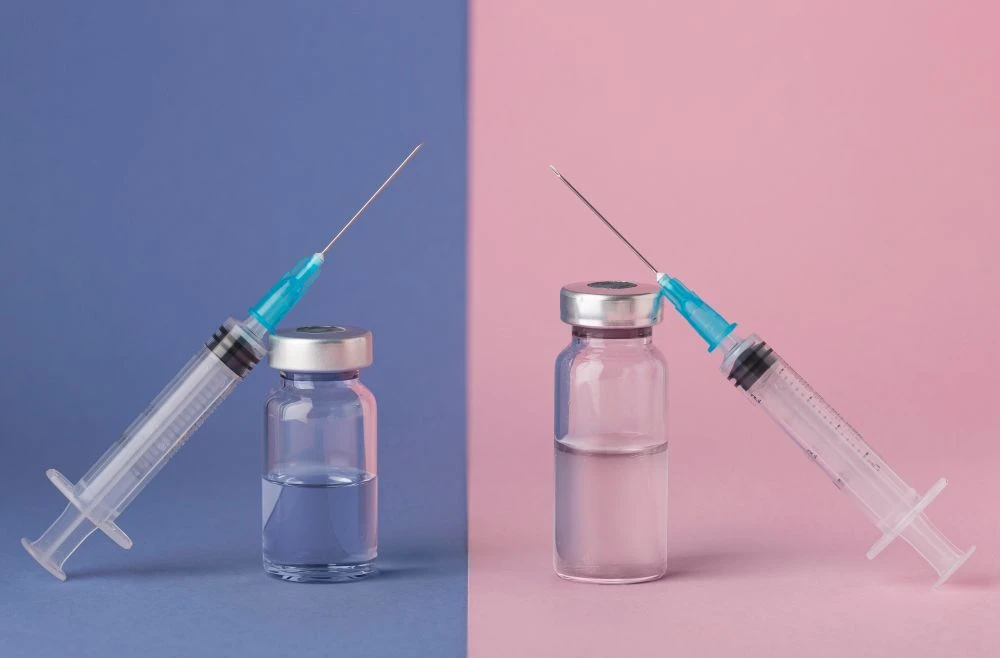
Planning the child’s vaccination calendar is a big task for parents especially with so many vaccines and vaccine drops in line or over time. In urban India the facility is available in various hospitals and diagnostic centres where paediatricians are also available for consultation and guidance on child’s vaccination routine. Many a times parents are confused between drops (oral formulations) and vaccines (injectable shots).
Drops and vaccines both are very important to help child grow immunity and safety shield against life-threatening diseases. The drops and vaccines have their own schedules and are distributed over time line that needs to be followed diligently.
What is the main difference between drops and vaccines?
There is mainly difference in how these are administered and the difference of process and format is due to the process the pathogens enter the body. Drops are oral vaccines given by mouth and there are the injectable vaccines that are pushed into skin or muscles.
Which major diseases are covered by oral drops in India?
In the standard paediatric schedule of vaccine drops and vaccines injections, drops are mostly for
gastrointestinal and respiratory-route viruses. The two main oral vaccines are:
- Oral Polio Vaccine (OPV): Protects against the poliovirus to maintain India's polio-free status.
- Rotavirus Drops: Helps prevent severe rotavirus diarrhoea, which is a major cause of hospitalization and dehydration in young infants.
Are injectable vaccines more effective than oral drops?
Not something like that can be compared, these are strictly purpose based and sometimes this work as a team. For example, the
Fractional Inactivated Polio Vaccine (fIPV) or full
Inactivated Polio Vaccine (IPV) is an injectable shot given to build strong blood immunity. Meanwhile,
Oral Polio Drops (OPV) build local mucosal immunity directly inside the gut where the wild poliovirus replicates. Urban paediatricians recommend a combination of both for complete protection.
Should urban parents choose the hospitals for child vaccination?
Yes, parents in urban India can choose hospitals with such vaccination facilities for the child. The hospitals also have paediatricians and parents can consult specialist doctors for vaccine schedules and general health updates of child. Some parents avail facility in paediatric doctor chambers, polyclinics. Parents even go to Government facilities.
What are painless combination vaccination injections?
Private urban clinics, hospitals often offer painless combination vaccines (such as the 6-in-1 Hexavalent shot). These combine protection against Diphtheria, Pertussis, Tetanus, Hepatitis B, Hib, and Polio into one injection. These alternative uses an
acellular pertussis component that largely reduces post-vaccination side effects like high fever and severe swelling.
Can oral drops and injectable vaccines be given during the same clinic visit?
Yes, very much if it is recommended and fall together as per the schedule. It is entirely safe and medically allowed to administer multiple vaccines including both drops and injections in one visit. This practice allows the child receives the vaccines and drops on time and reduces the logistical stress of scheduling frequent appointments in busy urban settings. Best is to follow doctor advice and stick to schedules of vaccine and drops distribution.
Expert Opinion
“Vaccines protect children against serious infectious diseases, whether given as oral drops or injections. Each vaccine has a specific purpose and recommended schedule. Parents should follow the immunisation schedule and consult their paediatrician to address concerns rather than delay vaccination due to myths.”
-Consultant Paediatrician
-Desun Hospital,
Conclusion
Protecting the child from infectious diseases do not require a debate between oral drops and injectable vaccines; rather, there is need to stick to a well-structured timeline that includes both type of vaccines. It is important to preserve an accurate, up-to-date vaccination record and keeping the
paediatrician updated is the single most effective step we can take for the child's long-term health and wellness.
 90 5171 5171