Causes of Frequent Headaches beyond Stress
August 17, 2026

Headaches are mostly caused by stress, fatigue, excess of screens time, eye strain, not wearing right powered glasses, stress, dehydration, lack of sleep, sudden waking up from sleep due to loud sound or sudden jerk, long travel sitting erect or in uncomfortable position of neck-shoulder, staying hungry for long and exposure to high volume noise or sound. There can be some more serious reasons like migraine, tension headache, high blood pressure, injury, or wrong doses of medication. Some other emergency and very serious health conditions like brain tumour, rapture of veins or arteries carrying blood flow to brain area, brain stroke, brain aneurysm etc. In case of serious or emergency situations it is best to take the person to a hospital with required infrastructure to manage medical emergencies and critical cases. The hospital is best to have multidisciplinary departments – a
superspeciality hospital with 24 hours emergency admission facility and neurological emergency management infrastructure.
Common Daily Triggers
- Stress: Emotional or physical tension makes the neck and head muscles rigid.
- Dehydration: Not drinking adequate quantity of water throughout the day may lead to head pain.
- Sleep Changes: Not enough sleep or poor quality of sleep.
- Screen Time: Staring at phones and computer especially playing games, watching reels in loop etc
- Skipped Meals: This can cause low blood sugar levels and weakness due to hunger pangs and lack of nutrition, glucose etc.
- Ice-cream or very cold beverages: This type of headache happens when very cold ice cream or cold beverages are consumed quickly and suddenly, here the blood vessels get quick changes adjusting to the sudden temperature. This at times brings in headache through the mouth for a short time and it mostly goes on its own. Commonly known as Ice-cream headache.
Frequent Headache Types
- Tension Headaches: Tightness around head and pain.
- Migraines: Throbbing pain mostly happens in one side of the head extending to eyes area and there is sensitivity to light and sound.
- Rebound Headaches: Overuse medication or painkillers and very frequent use of painkillers for headache almost continuously for more 2-3 days in a week.
Rebound Headaches: Under such conditions the headache do not go away even after taking painkillers, it is usually due to very frequent and long intake of such medication and frequent use.
- Medication Overuse (Rebound) Headaches
Frequently consuming pain relievers is one of the most common reason headaches become frequent and resistant to medicine.
- The Cycle: Soon after the effect of the painkiller wears off the brain experiences a return or rebound effect that triggers a new episode of headache and this becomes a chronic cycle without proper medical care or self-medication.
- The Threshold: Self-medication with common over the counter painkiller medication (like ibuprofen, aspirin, or paracetamol) more than 15 days a month or prescription migraine medicines more than 10 days a month.
- Chronic Underlying Headache Disorders
Sometimes the headache does not respond because the wrong type of medication is being used, or the condition has evolved.
- Chronic Migraine: Migraines can transition into a chronic state where you experience head pain 15 or more days a month. Regular painkillers are rarely strong enough to break a severe, continuous migraine cycle.
- New Daily Persistent Headache (NDPH): A rare condition where a headache starts suddenly one day and simply never goes away, lasting continuously for months. It is notoriously resistant to standard over-the-counter pain medications.
- Hemicrania Continua: A continuous, ongoing headache that stays strictly on one side of the face or head. It does not respond to regular painkillers but responds uniquely well to a specific prescription anti-inflammatory medication called indomethacin.
- Secondary Medical Causes
Some diseases that may need appropriate treatment or during ongoing episodes of the disease or treatment there are headaches. Sometimes it is warning sign of a disease or effect of the disease under treatment. These headaches ignore effects of only headache medication at times.
- Severe Infection in Sinus
- Cervicogenic Headaches: A mild to severe headache due to physical problems like supressed nerves, arthritis or stiffness around neck. Here the headache will go away only post treatment of the source. Usual painkillers may provide temporary or little relief.
- Fluid Pressure Changes: A sudden buildup or drop in the fluid pressure around the brain can cause daily persistent headache. These headaches do not respond well to usual over the counter painkillers and it is best recommended to consult speciality doctor
- High Blood Pressure: High to very high blood pressure can cause throbbing headache and is only resolved with lowering of blood pressure. If there is throbbing headache and the blood pressure is high, it is best to consult specialist doctor without delay.
Frequent and persisting headaches may happen due to serious structural issues like a brain aneurysm typically involve
increased pressure inside the skull, bleeding, structural masses, or vascular inflammation.
While everyday headaches are far more common, several serious, high-priority conditions must be carefully evaluated by a medical professional.
- Vascular and Bleeding Disorders
- Unruptured or Expanding Brain Aneurysm
- Subarachnoid Haemorrhage
- Cerebral Venous Sinus Thrombosis (CVST
- Arterial Dissection
- Intracranial Mass Lesions and Pressure Shifts
- Brain Tumour or Abscess
- Idiopathic Intracranial Hypertension (Pseudotumor Cerebri
- Hydrocephalus
- Severe Cranial Inflammation
- Giant Cell Arteritis (Temporal Arteritis
- Meningitis or Encephalitis
Such headaches are mostly persisting, severe and do not respond to medicines usually, such headaches need immediate medical care and it is best to take the person to any nearby
hospital OPD with
neurologists available for consultation or any hospital with
neurological department with required medical facilities like
CT Scan, MRI and other neurological tests and health-checkup facilities under one roof. If required, the patient will be admitted in emergency. Do keep a hospital’s
24-hour emergency phone number saved in your smartphone. This quick action is also required even in case of head injuries or accidents.
Immediate Medical Emergency "Red Flag" Symptoms
Go to the nearest emergency department hospital in case of any of the following:
- The "Thunderclap" Headache
- Sudden Stroke-like Symptoms: A headache accompanied by weakness, numbness, or tingling on one side of your face or body, slurred speech, confusion, or difficulty walking.
- Vision Changes: Sudden double vision, blurred vision, or partial blindness in one or both eyes. Difficulty looking at light o seeing halo around light.
- Infection Signs: A severe, persistent headache paired with a high fever and a stiff neck (where bending your chin to your chest is painful or impossible).
- After Head Trauma: Any new or worsening headache that develops after a fall, accident, or blow to the head.
- Systemic Changes: A headache accompanied by seizures, fainting, loss of consciousness, or continuous, uncontrollable vomiting.
When to Seek Urgent Admission or Specialist Care
Even if the headache is not an immediate life-threatening emergency, you should go to a hospital or see a neurologist promptly if:
- New Pain Over Age 50: You are over 50 years old and suddenly develop a completely new type of persistent headache.
- Positional Worsening: The heavy headache becomes significantly worse when you cough, sneeze, bend forward, or lie down flat.
- Worsening Pattern: A headache that has been steadily and progressively getting more severe every single day over a period of weeks and does not respond to standard medical treatments.
Expert Opinion
“Frequent headaches should not always be dismissed as a result of stress or a busy lifestyle. While stress can trigger certain types of headaches, recurrent headaches may also be associated with migraine, sleep disturbances, dehydration, hormonal changes, medication overuse and other underlying conditions.
A headache that is becoming more frequent, changing in pattern or interfering with daily activities deserves medical evaluation. A sudden and severe headache, or a headache accompanied by fever, confusion, seizures, weakness, numbness, vision changes or difficulty speaking, requires prompt medical attention.
A proper evaluation helps identify the type and possible cause of the headache and determine whether further tests or imaging are necessary. Keeping a headache diary—recording when the headache occurs, its duration, symptoms, possible triggers and medicines taken—can also help the doctor identify patterns and plan appropriate treatment.
-Consultant Neurologist
-Desun Hospital, Kolkata
When anyone experiences signs of a stroke or a sudden, severe headache, call Desun Hospital's 24-hour Emergency Helpline immediately at +91 90517 15171.
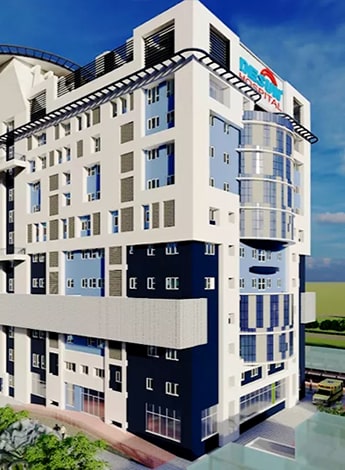
Desun Hospital, Kolkata, located at
Desun More, Kasba Golpark, EM Bypass, is fully equipped as a tertiary-level superspeciality crisis centre capable of handling acute neurological emergencies like strokes and brain aneurysms 24/7.
Emergency Contacts & Ambulance Services
- 24/7 Primary Emergency & Ambulance: +91 90517 15171
- Alternate Backup Helplines: +91 83340 31345 and +91 86977 21124
- Ambulance Coordination: Desun coordinates with a network of local ambulances across Kolkata and South Bengal. When you call, the ER team instructs the incoming ambulance to begin stabilization while preparing the ICU and operation theatre in advance.
Desun Stroke Centre & Aneurysm Facilities
According to
Desun Hospital, “At Desun Stroke Centre, our goal is a Door-to-Needle time of 60 minutes, ensuring eligible stroke patients receive life-saving treatment as quickly as possible.”
The hospital features a dedicated
Neurology Department staffed by expert stroke and neurology specialist doctors. The specific emergency infrastructure includes:
- 24/7 Emergency Diagnostics: Round-the-clock CT scan and MRI capability to instantly distinguish between an ischemic stroke (blood clot) and a haemorrhagic stroke (bleeding from an aneurysm).
- Advanced Neuro Cath Lab: Equipped for interventional neuro-radiology procedures, such as Intra-Arterial Thrombolysis (clot-busting), Carotid Stenting, and mechanical Aneurysm Coiling to stop brain bleeding without opening the skull.
- Dedicated Neuro ICU: Specialized intensive care units with dedicated ventilators for every single bed to continuously manage intracranial pressure and neurological stability.
- India's First Rooftop Helipad: For critical stroke or aneurysm cases traveling from distant districts of West Bengal, Desun allows direct air-ambulance landing to bypass road traffic entirely.
When to Rush to Desun Hospital Emergency
Do not wait for a regular OPD appointment. Go straight to the casualty/emergency gate if a headache is accompanied by the
FAST signs of a stroke:
- F - Face Drooping: One side of the face sags or is numb.
- A - Arm Weakness: One arm feels weak or drifts downward when raised.
- S - Speech Difficulty: Slurred speech, trouble speaking, or confusion.
- T - Time to Call: Sudden onset of a "thunderclap" headache (the worst head pain of your life) or vision loss.
Do take care of health and get timely treatment.
 90 5171 5171